Belgrade to Sarajevo by bus and why breaking the journey in Tuzla makes sense
A practical overland itinerary including tips on things to do and where to stay in each city
Sarajevo has to be my favourite Balkan capital, with Belgrade not far behind, and I’m sure I’m not alone in wanting to visit both on the same trip. There’s a problem, though. Getting between the two cities on public transport looks more like an endurance test than a fun thing to do on holiday.
We found that breaking the journey in the Bosnian city of Tuzla made a potentially long, awkward bus trip more manageable. And by happy coincidence, Tuzla turned out to be so much more than just a stopover: We found things to see and do and had a genuinely great time there.
I’ve described the journey we took from Belgrade to Sarajevo via Tuzla and included visitor information for each city in the Balkans.
Itinerary map
This guide may include a few affiliate links. If you choose to buy something through one of them, I may earn a small commission (at no cost to you). Thank you for supporting One Small Bag and helping keep this resource ad-free and independent.
Visit Belgrade, the capital of Serbia
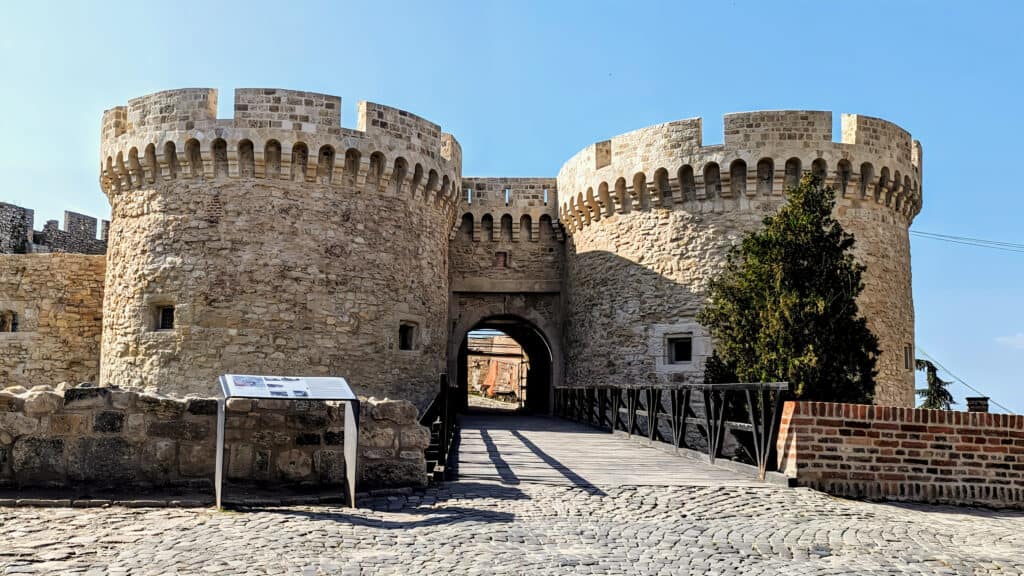
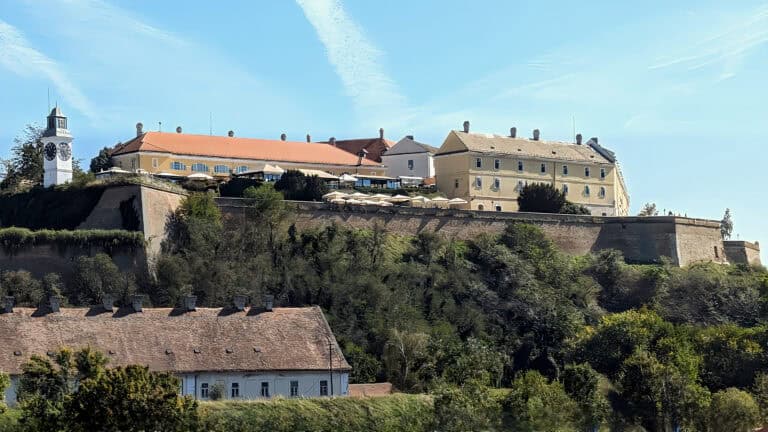
Belgrade is one of the more affordable European capital cities, offering a mix of history, culture, and excellent food, alongside a famously lively nightlife. I would absolutely recommend it. If you have time, I’d also recommend a side trip to Novi Sad, Serbia’s second city, which has a fortress with excellent river views.
Things to do in Belgrade
Here are some highlights, and all on the itinerary map I made for you.
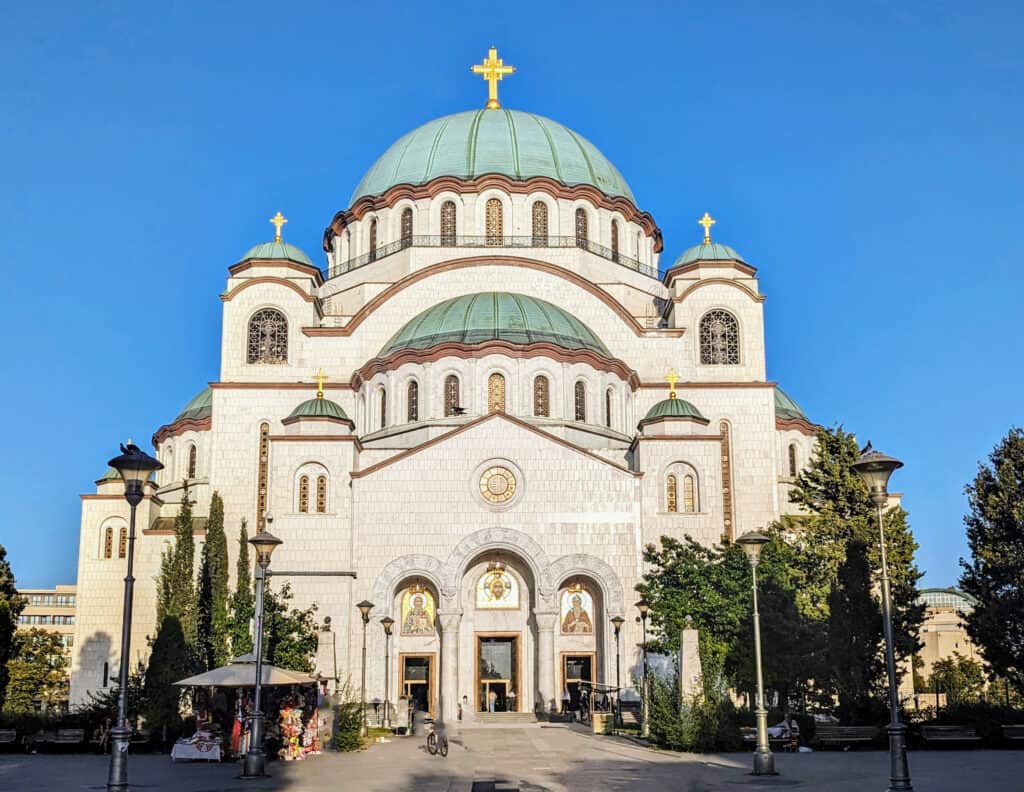
- St Sava Cathedral: Visit one of the largest Orthodox churches in the world
- Kalemegdan Fortress: Take in the views over the rivers Danube and Sava from this impressive fortress.
- Ružica Church: Step inside this church tucked away inside the fortress with chandeliers made from weapons!
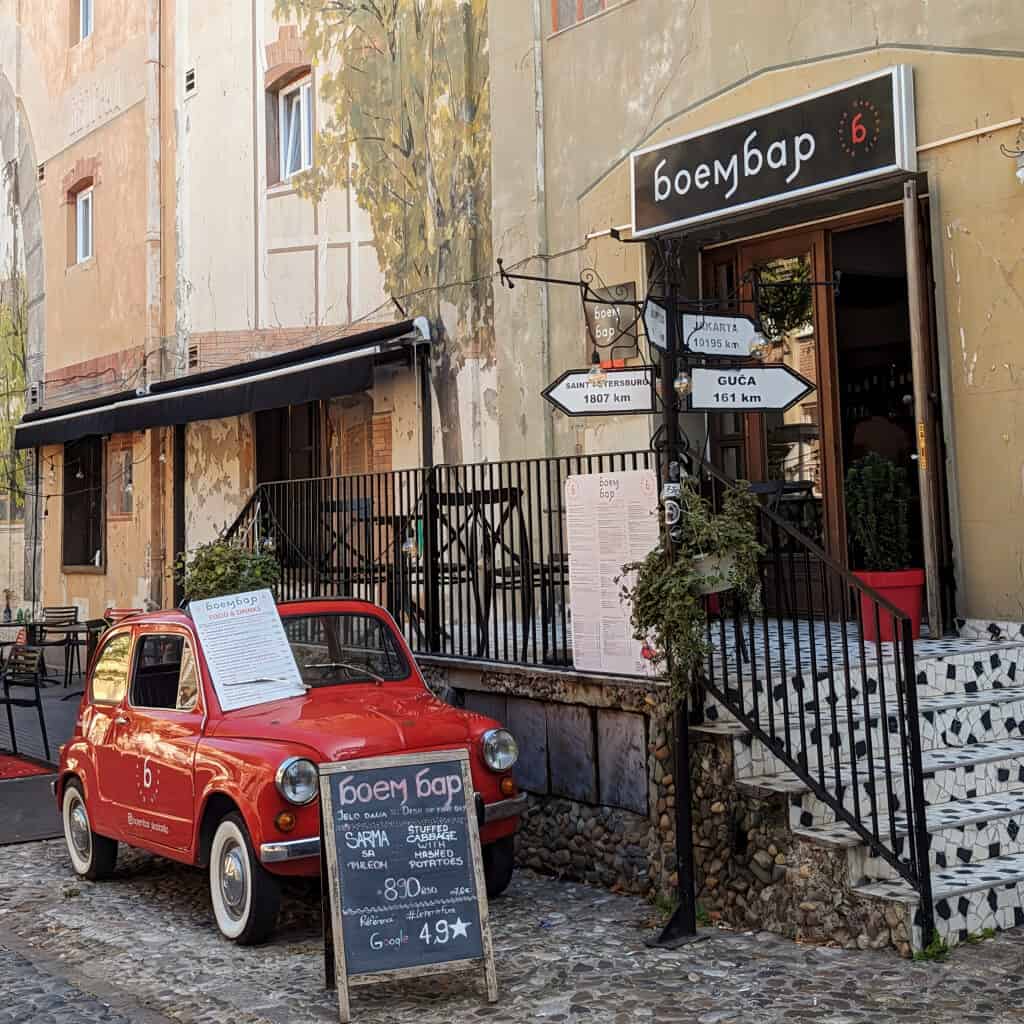
- Skadarlija: Spend time in Belgrade’s bohemian quarter
- Belgrade’s waterfront: Enjoy a river cruise by day or stay later for the nightlife on board the floating river clubs.
- Knez Mihailova Street: Wander down this pedestrianised shopping street with street performers and cafés
- Nikola Tesla Museum: Learn about the life and work of the pioneer of the AC electric current
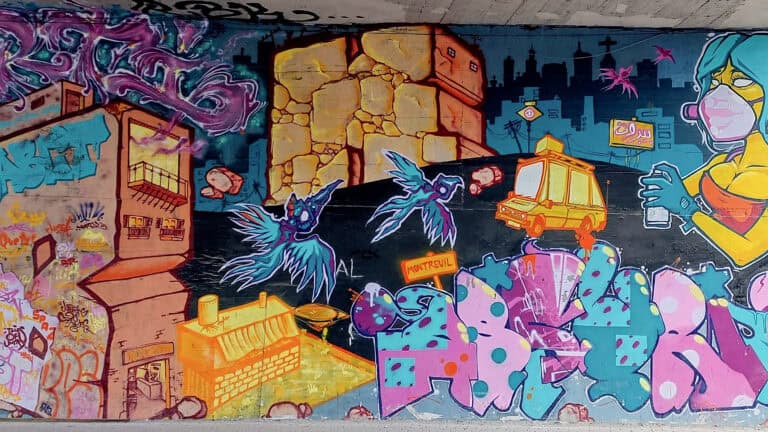
- Street art: Belgrade has plenty of great street art, mostly hidden away from the main tourist routes
I also have a dedicated guide on Belgrade, which fills in the details on the above
➡️ Things to do in Belgrade: Beyond the Nightlife

Cathedral of St Sava 
Brasserie in Skadarlija Street. The bohemian heart of Belgrade.
Where to stay in Belgrade
Time is precious, so for me, picking a hotel right in the heart of the action will always be a priority. We stayed at Belgrade Garni Inn Hotel, just off Republic Square and a few steps from Skadarlija, Belgrade’s bohemian district, known for traditional restaurants. It was a great choice, and somewhere I’d happily stay again.
If you’re looking elsewhere, Stari Grad, Dorćol, and Vračar are all solid alternatives, offering a similar balance of walkability, cafés, and easy access to the main sights. Areas closer to the river can be enjoyable too, but especially if the floating river clubs and nightlife are your priority.
Belgrade to Tuzla by bus

Rural life on the road, leaving Belgrade for the Bosnian border 
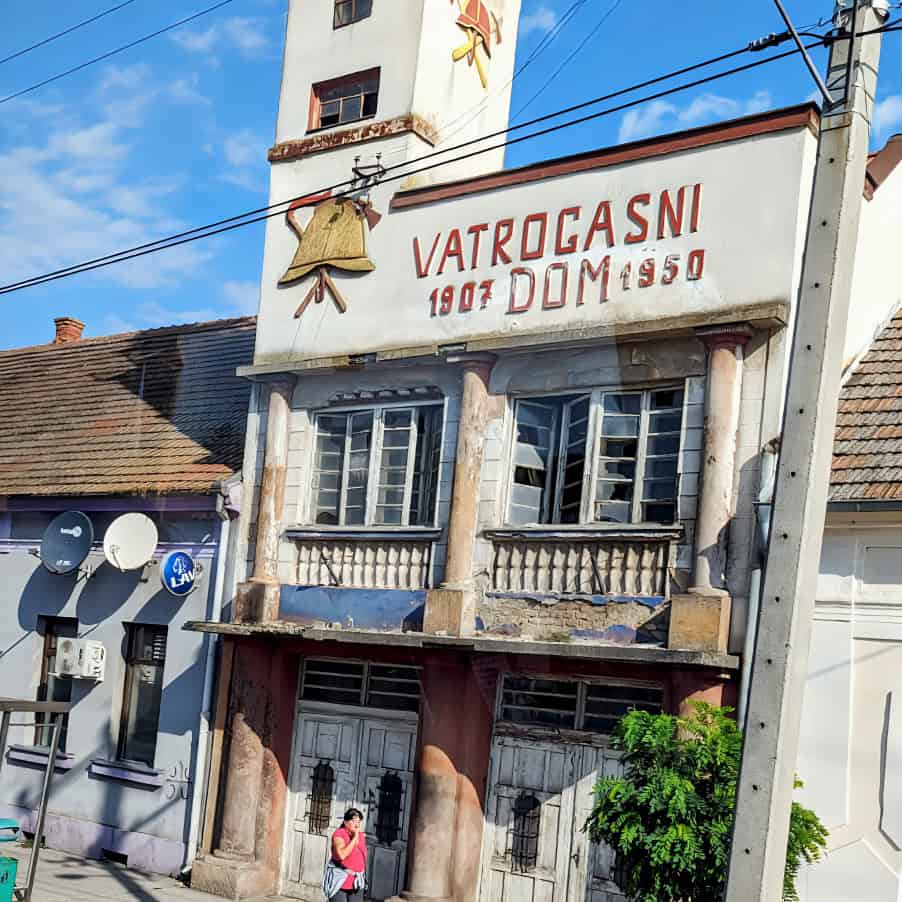
An old vatrogasni dom (fire station) on the Serbian side of the border.
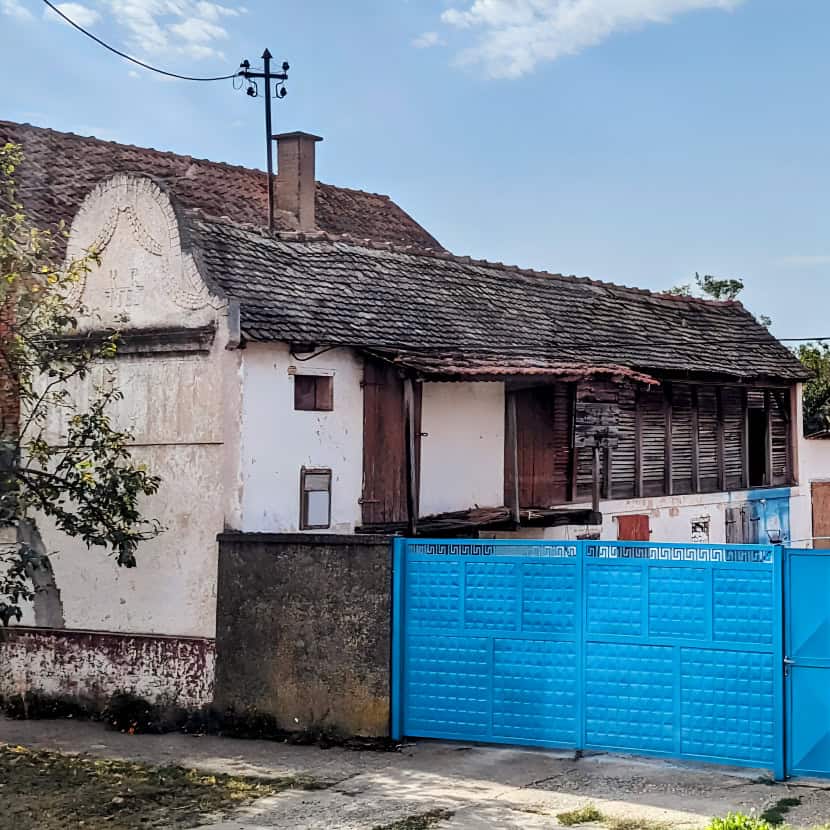
The bus trip from Belgrade to Tuzla takes just over 4 hours. Here are some useful tips:
- Buying Tickets: Tickets can be purchased online at TransTurist Tuzla. There are currently two direct services a day. We caught the earlier 9 am service. Expect to pay approximately 48 KM (€24) one-way.
- Catching the Bus: The bus leaves from Belgrade’s central bus station. It’s a busy, chaotic place, so I’d give yourself time. You’ll need a platform ticket, not just a bus ticket. Do have cash ready (currently 300 RSD) and be prepared to hunt down an obscure kiosk and to converse in Serbian / via Google Translate. Once you’ve been allowed to board the bus, things improve quickly. The coach was modern, comfortable, and drama-free (except for the broken toilet!)
- Border Crossing: You must disembark the bus at the Serbian border and present your passport. And again on the Bosnian side. We had stamps from Kosovo in our passports from a previous trip, but there were no issues on leaving Serbia.
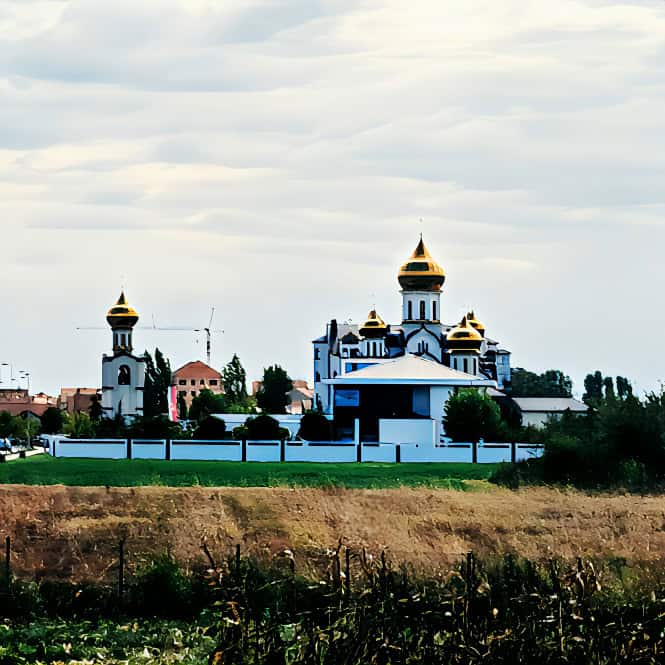
- Bus Journey: The bus journey is 4 hours and 20 minutes, and I’m pleased to say ours left and arrived on time. The bus runs through flat plains and small rural settlements, and there’s plenty to see from the window. Once over the border, we passed Bijeljina. The gleaming gold-topped monastery here looked worth a visit if you have time. After that, the terrain changed quickly. We ascended into the hills before descending into Tuzla.
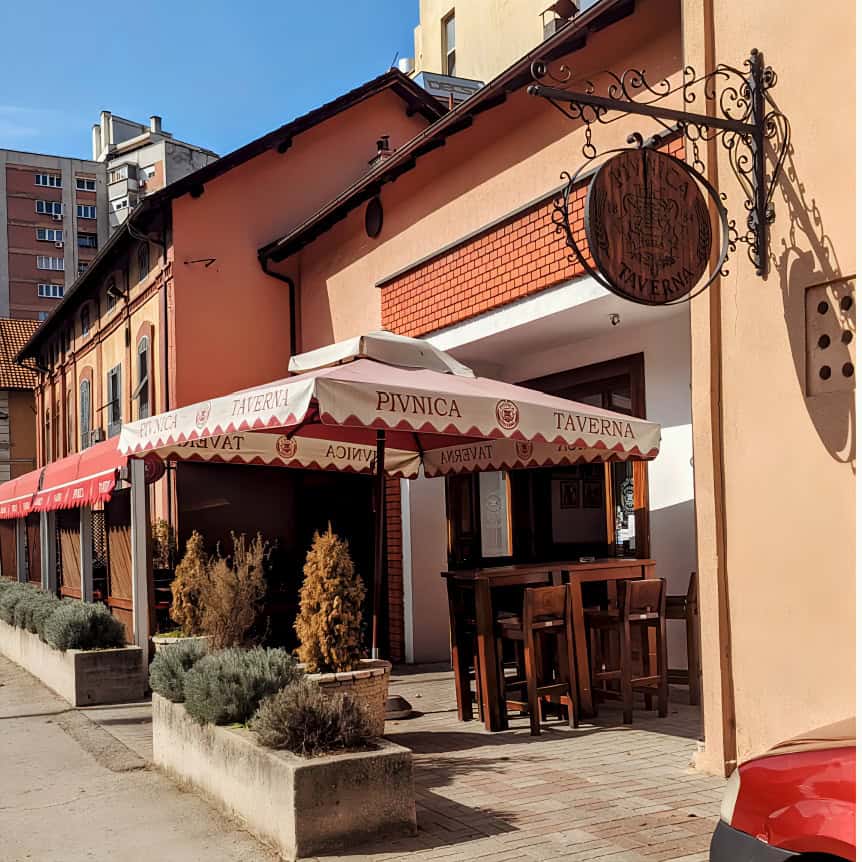
- Where to get off: The bus arrives at Tuzla main station, which is about a 10-15 minute walk beyond the centre. We chose to exit at a bus stop just before the centre at the Tuzla brewery for a very welcome lunch stop and a beer. I’d highly recommend it,

Monastery of Saint Petka (Bijeljina) – Bosnia and Herzegovina 
Tuzla Brewery – a very welcome stop after the bus from Belgrade
If you’re enjoying this kind of travel writing, I share more like it once a month.
Visit Tuzla, “The City of Salt”
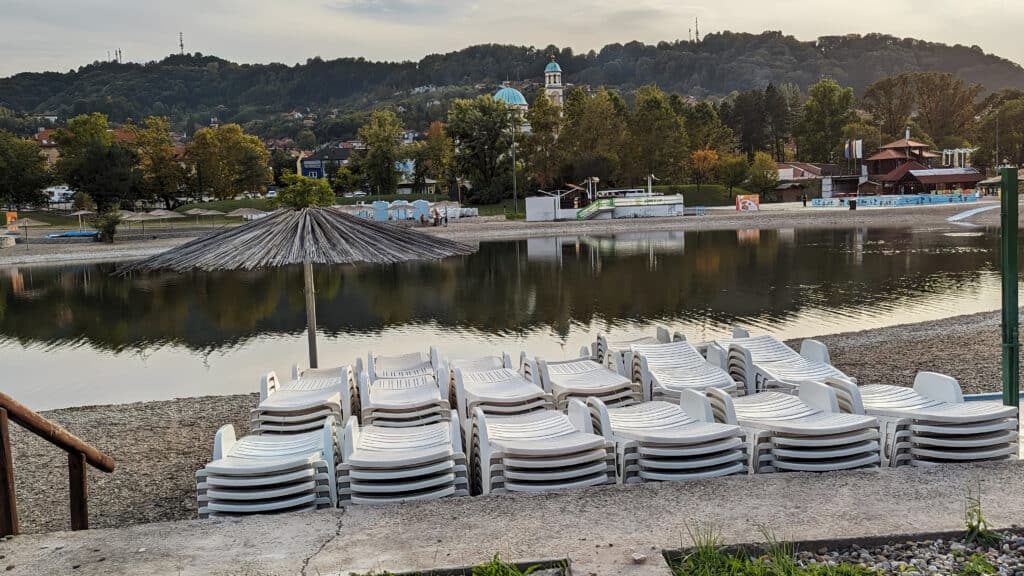
Tuzla rarely appears on first-time Balkan itineraries, which is part of its appeal. Perhaps surprisingly, given that it has its own airport with Wizz Air services from several European cities. It tends to be routes that aren’t served directly by Sarajevo. The city is best known for its salt heritage and its unusual city-centre saltwater lakes, the Pannonian Lakes, with beaches, promenades, and sunbeds by the water. Popular for both recreation and therapy, it makes particular sense in a country with barely 20 km of coastline.
Beyond the lakes, Tuzla is one of the oldest continuously inhabited settlements in Europe, with evidence of salt production dating back to Neolithic times. That long history has left clear signs of influence, still visible in the city today.
Things to do in Tuzla
Here are some highlights, and all on the itinerary map. I have a full destination guide for Tuzla too,
➡️ Things to Do in Tuzla, Bosnia: A City Built on Salt
- Pannonian Lakes: The city centre lakeside beaches, with cascading waterfalls and an amusement park
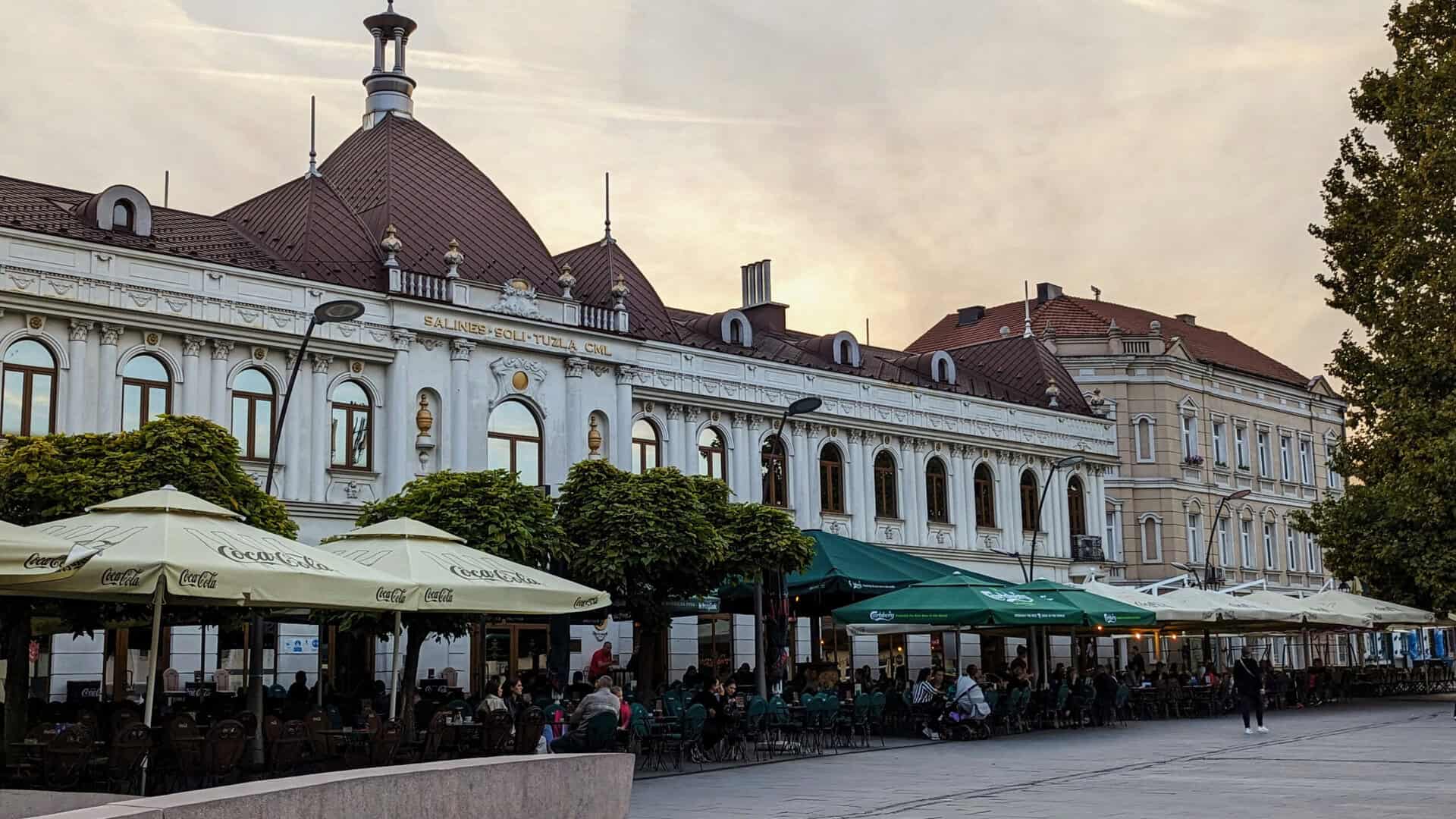
- Freedom Square: A huge square flanked by baroque buildings and cafés with a central fountain
- Meša Selimović and Ismet Mujezinović: Bronze statues of the renowned painter and writer, and Tuzla’s meeting point.
- Old Town: Wander the old town for bars, restaurants, shops and street art
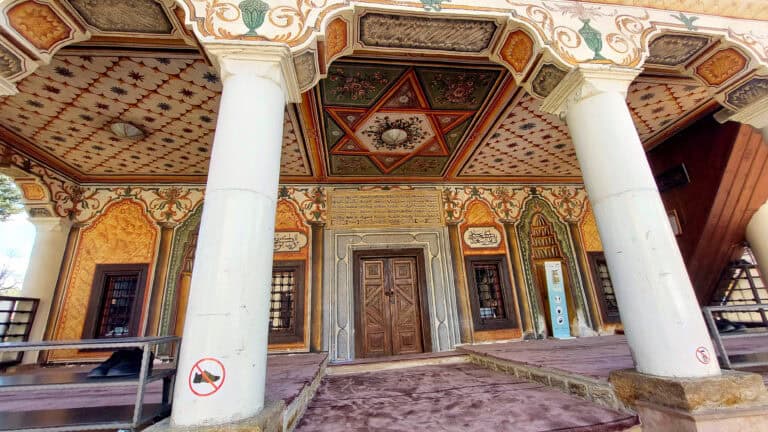
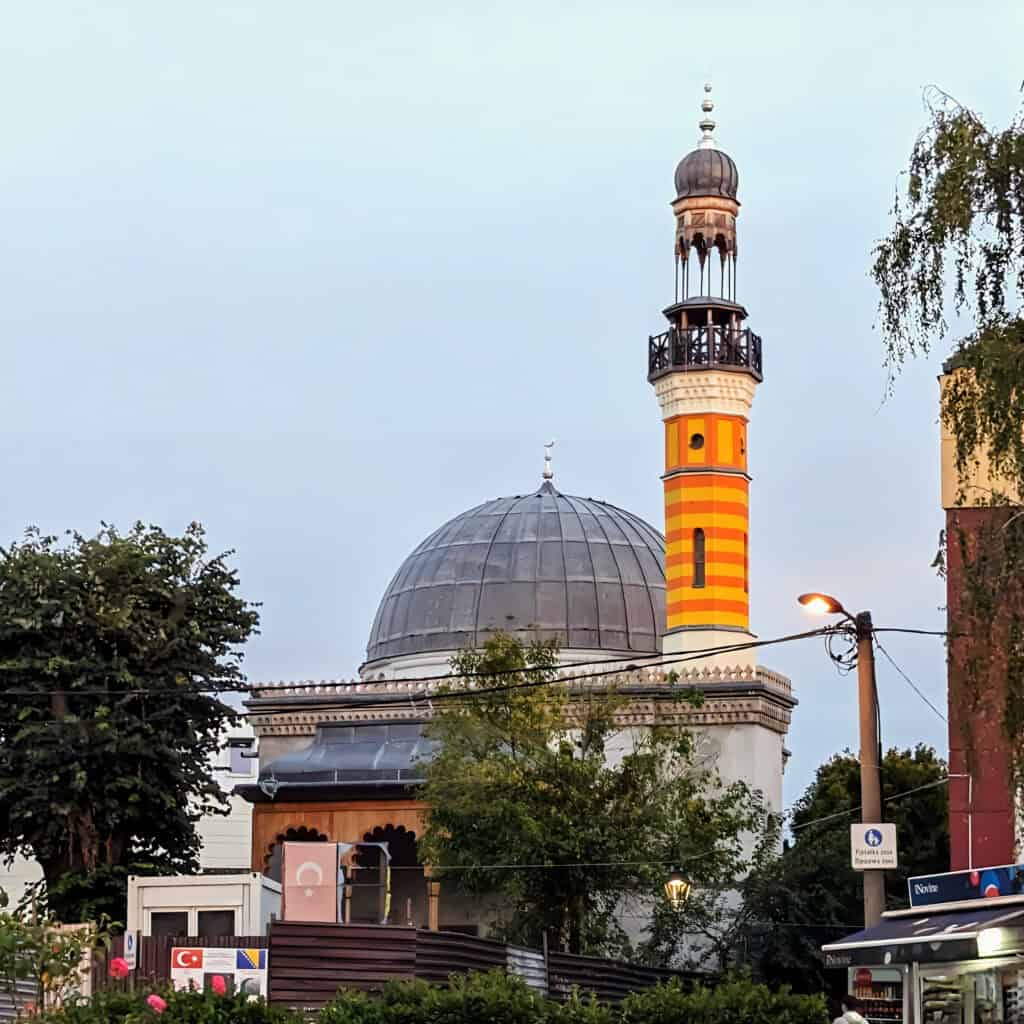
- Turalibegova Džamija (Mosque): One of several mosques in the centre.
- Kapija Massacre Memorial (Tuzla Massacre Memorial): A memorial for people killed in the city centre during the Balkan wars.
- Gradac Park: One of several central parks in this very green city
- Food and drink: Several inviting traditional options. We enjoyed the food and beer at Tuzla Brewery taproom.
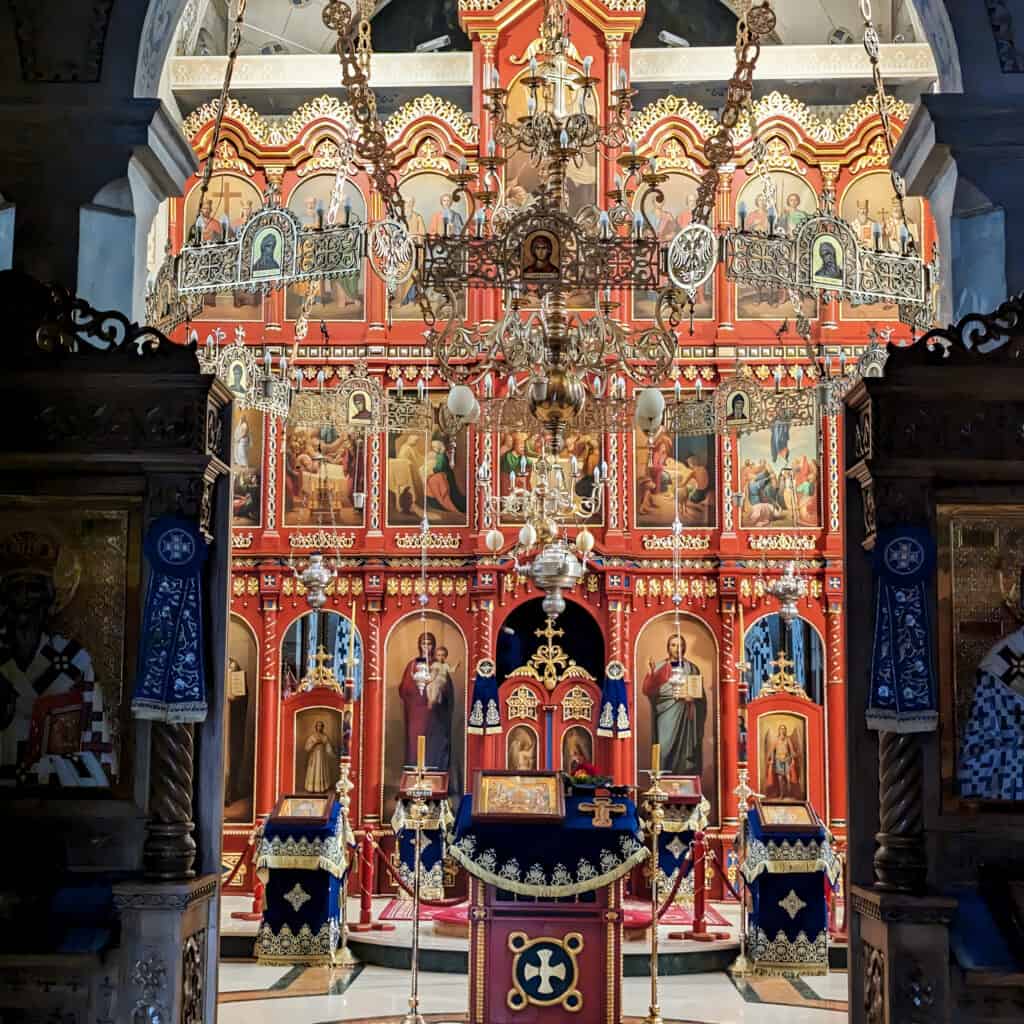
The mosque: Šarena džamija (The Colourful Mosque) in Tuzla, Bosnia and Herzegovina – not the main mosque, but I like the stripey tower Inside the Serbian Orthodox Cathedral –
The Dormition of the Mother of God
Where to stay in Tuzla
We stayed at the So&Sol Boutique Hotel in the centre of Tuzla, around a ten-minute walk from the Pannonica Salt Lakes, which are unique in the region. The welcome was exceptionally warm. The hotel made a very comfortable base for a short stay. It’s somewhere I’d happily recommend.
Tuzla to Sarajevo by bus
The bus trip from Belgrade to Tuzla takes just over 3 hours. Here are the trip details.
- Buying Tickets: Tickets can be purchased online at Centrotrans Eurolines. There are buses every 1-2 hours, so the service is much more regular than the first leg from Belgrade.
- Catching the Bus: We took the bus from Tuzla Main Station. There was no repeat of the chaos in Belgrade, and no demands to buy additional platform tickets either.
- Bus Journey, including Border Crossing: The bus journey takes just over 3 hours on a comfortable, air-conditioned, modern coach. The mountainous terrain is spectacular and a little stomach-churning – to give you fair warning. especially the final dramatic descent as the bus descends into Sarajevo.
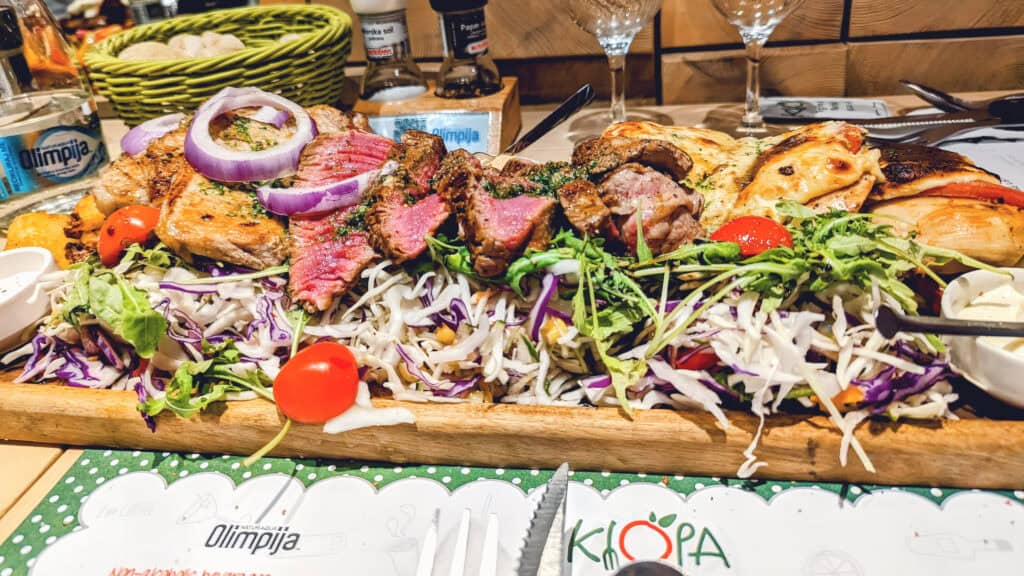
- Where to get off: The bus arrives at Sarajevo central bus station, not the one on the eastern outskirts of the city. It’s a short walk to the centre. There are trolley buses close by, too. Individual tickets can be bought from the driver or in kiosks at the stop (remember to validate them on the bus). There are restaurants close to the bus station. Alternatively, go straight to the centre and head for Klopa, near the huge Church of the Nativity and enjoy your first Sarajevo feast.
Visit Sarajevo
Where do I start with Sarajevo? Should you visit? It’s a yes from me!. But here’s the rub: everyone else has discovered how wonderful it is, too. Anyone still calling Sarajevo “underrated” or a “hidden gem” either hasn’t visited recently or wasn’t paying attention. It’s busy, and not just in the peak summer season. While Sarajevo still offers good value compared to many northern European capitals, it’s no longer the budget break it once was. Bosnia and Herzegovina is very much having its moment – and Sarajevo is right at the centre of it.
Things to do in Sarajevo
Brace yourself – it’s a long list, and this is the edited version. There’s an enormous amount to see and do here. We spent four nights, which we thought would be plenty, but it wasn’t. I’ve marked the highlights on the map for this itinerary.
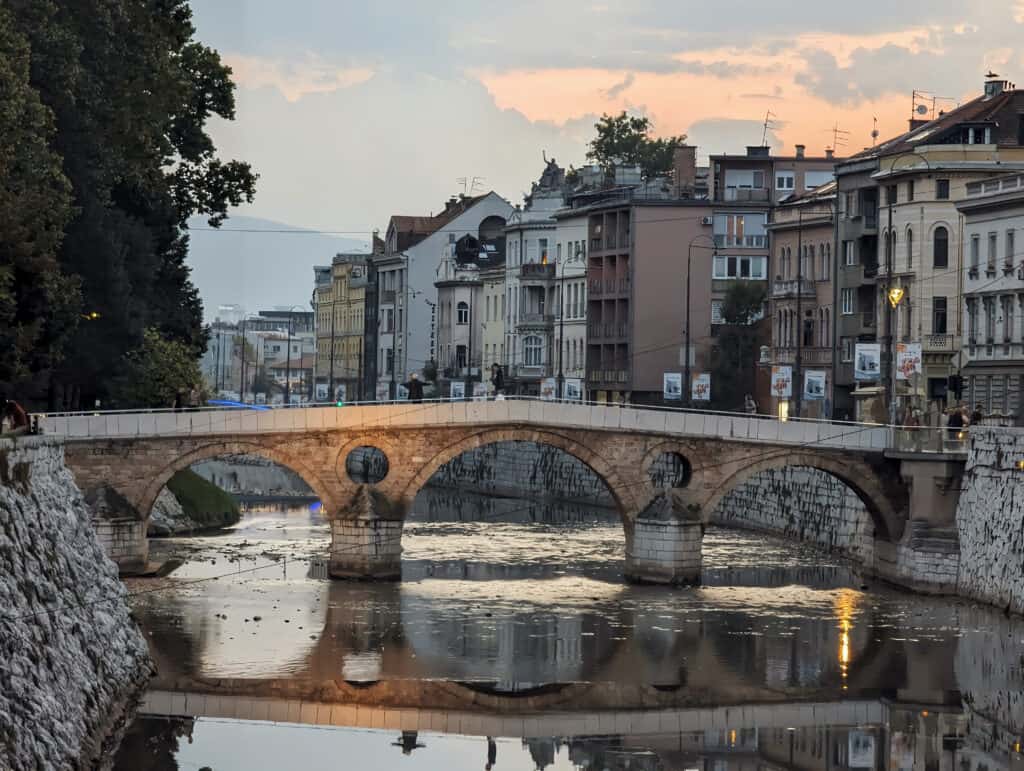
- Latin Bridge: It’s old and photogenic, and the site of the assassination of Archduke Franz Ferdinand. An event that precipitated the First World War.
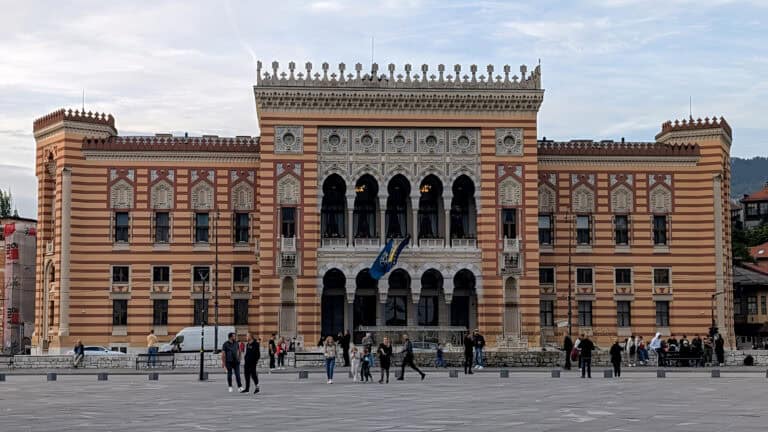
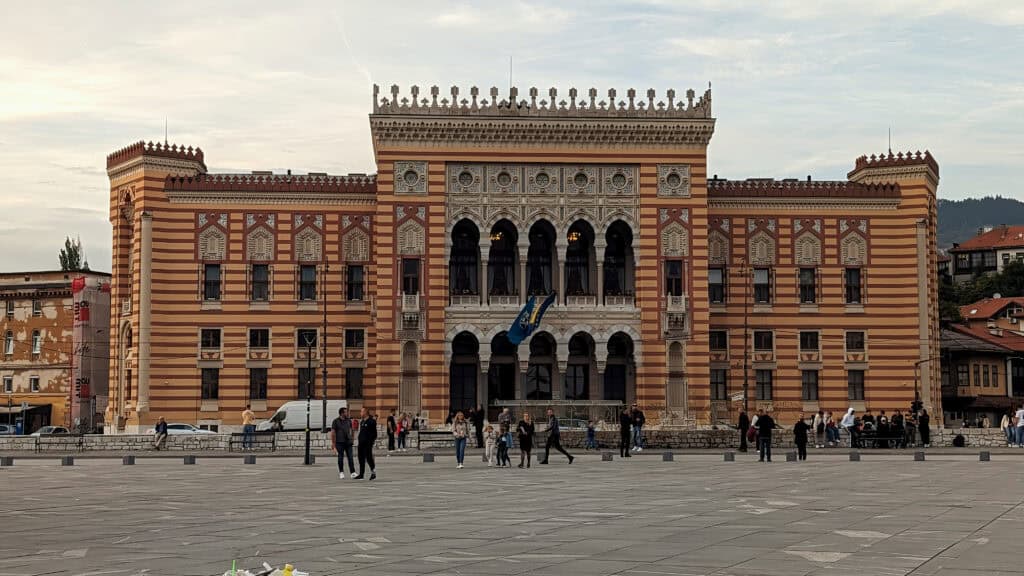
- Sarajevo City Hall (Vijećnica), Hard to miss. Rebuilt after the war and just as impressive inside as out.
- Baščaršija: Explore the old town, with its winding lanes, cafés and shops selling everything from copperware and crafts to war relics
- Sebilj Fountain: According to legend, you’ll return to Sarajevo one day if you take a drink from it.
- Gazi Husrev-beg Mosque: Another city landmark. You can take a look inside, too.
- Ferhadija Street: Walk along the main shopping street and visit the Cathedral, and the Eternal Flame memorial
- Museums: These include the Tunnel of Hope Museum or the Museum of Crimes Against Humanity and Genocide
- Yellow Fort: Take a walk up to the fort for the view, especially at sunset. You’ll also pass Kovači Cemetery, the burial place of many victims of the 1990s war.
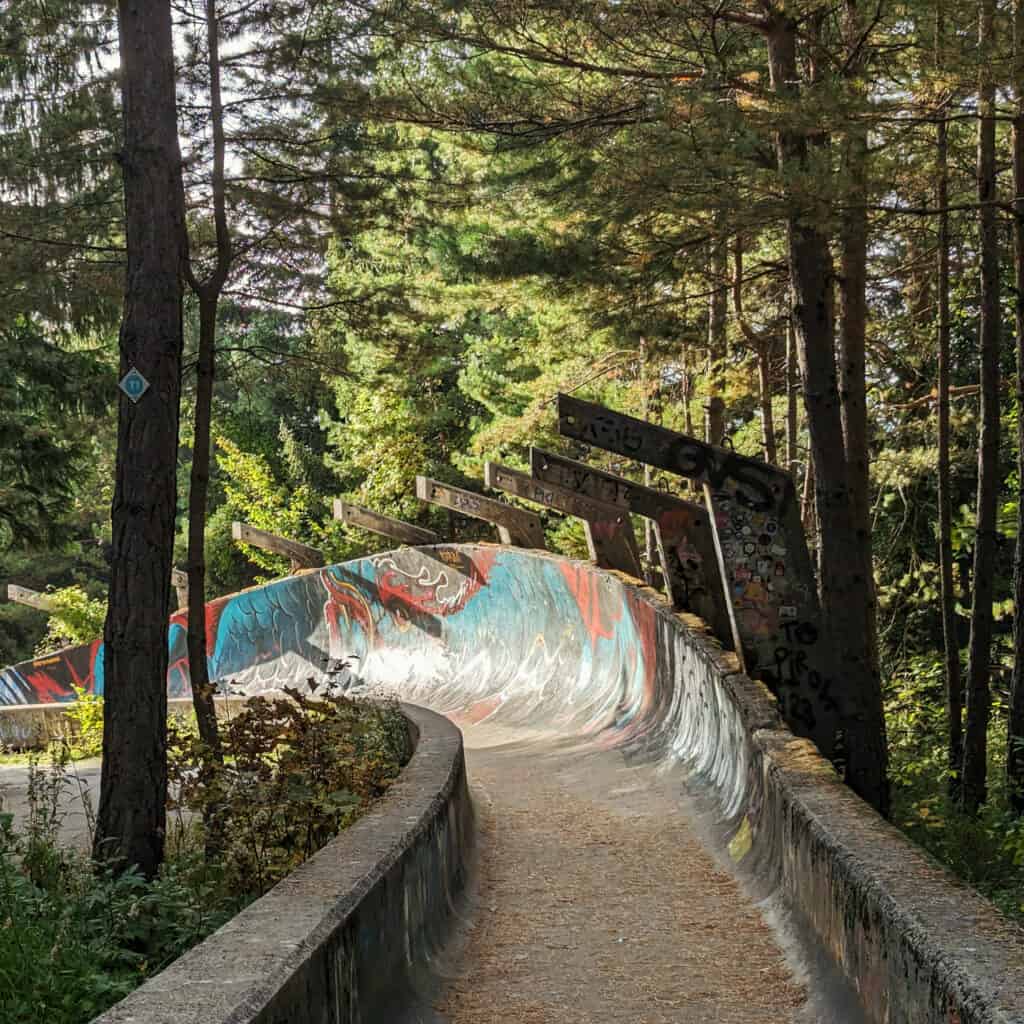
- Cable Car: Take the ride up Mount Trebević and explore the abandoned 1984 Olympic village and bobsleigh track
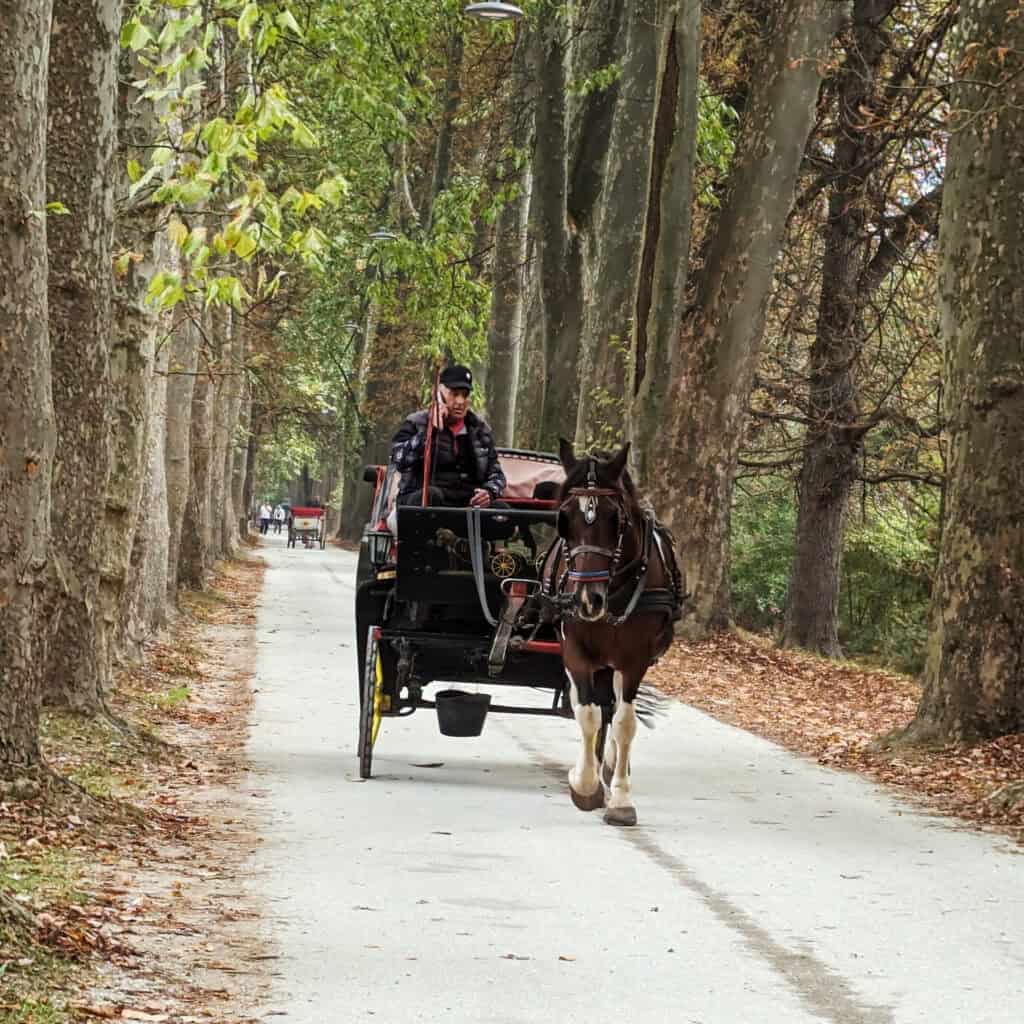
- Vrelo Bosne: Take the trolleybus to escape the city heat. Stroll the tree-lined paths or take a horse-drawn cart.
- Eat well: The food is excellent. Try Bosnian coffee, served strong and often in beautifully engraved pots.

Latin Bridge Horse-Drawn Cart in Vrelo Bosne Bobsleigh Track from the 1984 Winter Olympics 
Baščaršija Mosque

A day trip from Sarajevo
Unfortunately, on this trip, we didn’t have time to explore beyond Sarajevo independently. We opted for this group tour to see as much as possible in the time available. It included places inaccessible by public transport as well as a brief stop in Mostar. We visited Konjic, Počitelj, Blagaj Tekke, and the Kravice Waterfalls. Although I missed out on the much-talked-about Sarajevo–Mostar train journey, the trade-off was seeing far more of the region in one day. The views from the van were excellent, and having a clean windscreen didn’t hurt either. For me, it offered a better balance of sights, context, and value than a DIY train trip to Mostar. We will be back, I’m sure.
Where to stay in Sarajevo
We stayed here, right in the heart of Sarajevo’s old town. With cobbled streets all around, views over the historic centre, and easy access to the main sights. It turned out to be an excellent choice and a very easy base for exploring the city on foot.
Other options include Baščaršija, the edge of the old town. Parts of the central district work well, too, offering a similar mix of atmosphere and walkability. A hotel in the centre makes a big difference in Sarajevo, especially if you want to avoid relying on transport.
Where to go next
Onwards from Sarajevo
If you don’t have time to explore beyond Sarajevo independently, I strongly recommend this tour, which will pack in as much as is humanly possible in one day. You won’t regret it.
For my return, a chance to see Mostar properly (not just a flying visit), and I’d also recommend Blagaj Tekke, Počitelj, Kravica waterfalls and Konjic, which we covered all too briefly on our day tour.
For new things to do on our next visit, I’m keen on the route between Mostar and Dubrovnik along the old Austro-Hungarian railway, including Zavala Monastery and Vjetrencia caves, plus the cities of Jajce (including Pilva lakes) and Travnik. I’d also like a day at the Bosnian beach (seaside this time) at Naum, as the Bosnian coast is so narrow, and this fascinates me.
After Bosnia, the next most obvious route is along the Adriatic and into Croatia and Montenegro. I travelled down the coast from Sarajevo to Kotor in 2005, shortly after the Balkans reopened to tourism following the wars. There were few tourists then. Not so now!
I hope you’ve found this itinerary useful. If you’re interested in other itinerary guides in the wider Balkans region, I have more point-to-point trips on the blog. There are also more blogs from Serbia and Bosnia, and I’m adding more soon.
- Things to do in Belgrade: Beyond the Nightlife
- Things to Do in Novi Sad: An Easy Day Trip from Belgrade
- Things to Do in Tuzla, Bosnia: A City Built on Salt
I’ve documented the contents of my one small bag, which holds everything I need for a multi-season trip in a 24L daypack.
I’d love to hear about your experiences in Bosnia. Let me know if you have questions about planning a trip to Serbia or Bosnia and Herzegovina. If you enjoy practical, real-world travel tips across Europe, feel free to join my monthly newsletter.