The kind of European places I want to keep writing about
As 2025 draws to a close, I’m sharing some European destinations I’ve visited over the last couple of years. Some I’ve written about already, others I haven’t, but they’re all favourites, albeit for different reasons.
I tend to avoid labels like ‘hidden gems‘ or ‘underrated‘. Not because these places lack appeal, but because those terms rarely mean very much. Visibility depends on perspective, fashion shifts quickly, and what feels “undiscovered” to one traveller may be deeply familiar to another. Twenty years ago, I might have used those words about Dubrovnik, Kotor, or Cappadocia. Today, no one would.
So let’s get to it. Here are ten destinations in Europe you might not immediately think of. Each stayed with me long after the trip was over, and each I’d happily return to. If you like my choices and want to know where I’m heading next, I send a short newsletter about once a month. No noise, no bombardment.

This guide may include a few affiliate links. If you choose to buy something through one of them, I may earn a small commission (at no cost to you). Thank you for supporting One Small Bag and helping keep this resource ad-free and independent.
1. Sighişoara: A rare inhabited medieval citadel
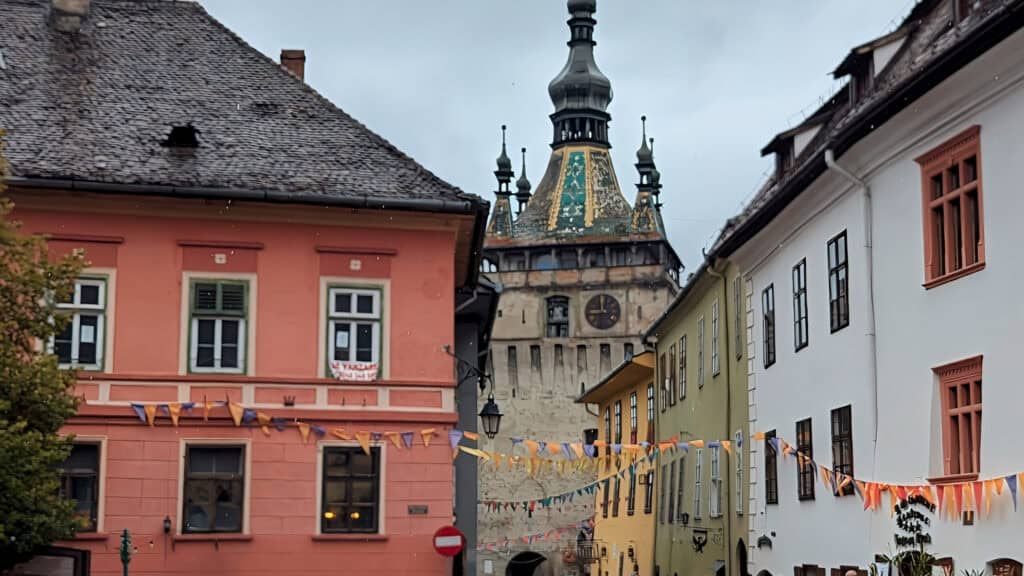
Sighişoara sits in the heart of Transylvania, around 300 km north of Bucharest. The city grew in the 12th century when German craftsmen and merchants (known as Saxons) were encouraged by Hungarian kings to settle here. This hilltop location strengthened the region’s borders and defended against Tatar invasions. What remains today is one of Europe’s best-preserved medieval citadels, still fully inhabited, and very much open to visitors and overnight stays. Like several other places on my list, it’s a UNESCO World Heritage Site.
On arrival, you’ll be met with a riot of colour and texture: pastel Saxon houses, fortified towers, cobbled streets, and a distinctive clock tower. Although Sighişoara is often introduced as the birthplace of Vlad the Impaler, its real appeal lies elsewhere. The citadel is compact, atmospheric, and beautiful. Cameras to the ready here, there’s something to see around every corner.
Sighişoara is popular with day-trippers and long-distance walkers. It’s a stopping point on the Via Transilvanica trail. Visit early in the morning, or better still, stay overnight as we did. Once the tour buses leave, the citadel shows its true charm. It’s welcoming and wonderfully timeless.
My Full Guide on Sighisoara:
➡️ 15 Best Things to Do in Sighisoara: Dracula’s Birthplace in Transylvania
2. Veliko Tarnovo: Bulgaria’s historic ‘City of Tzars’
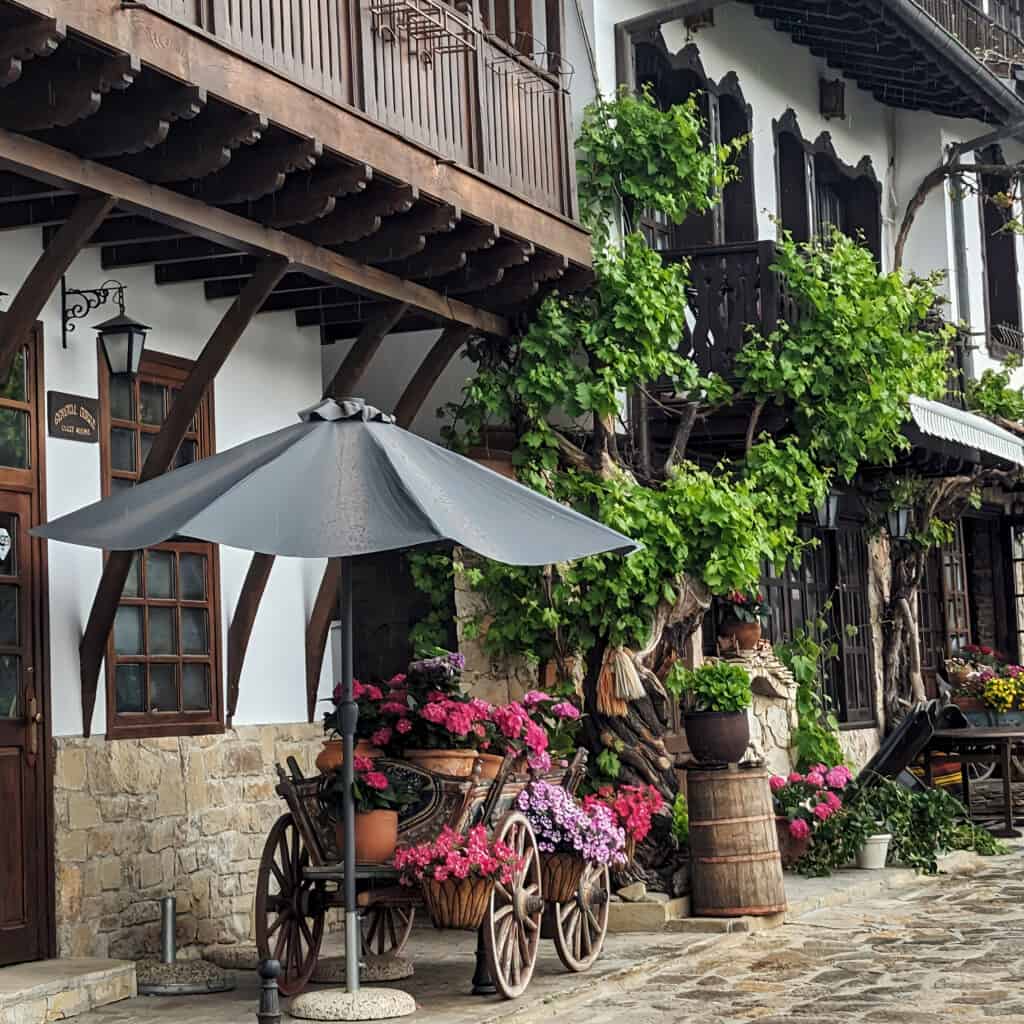
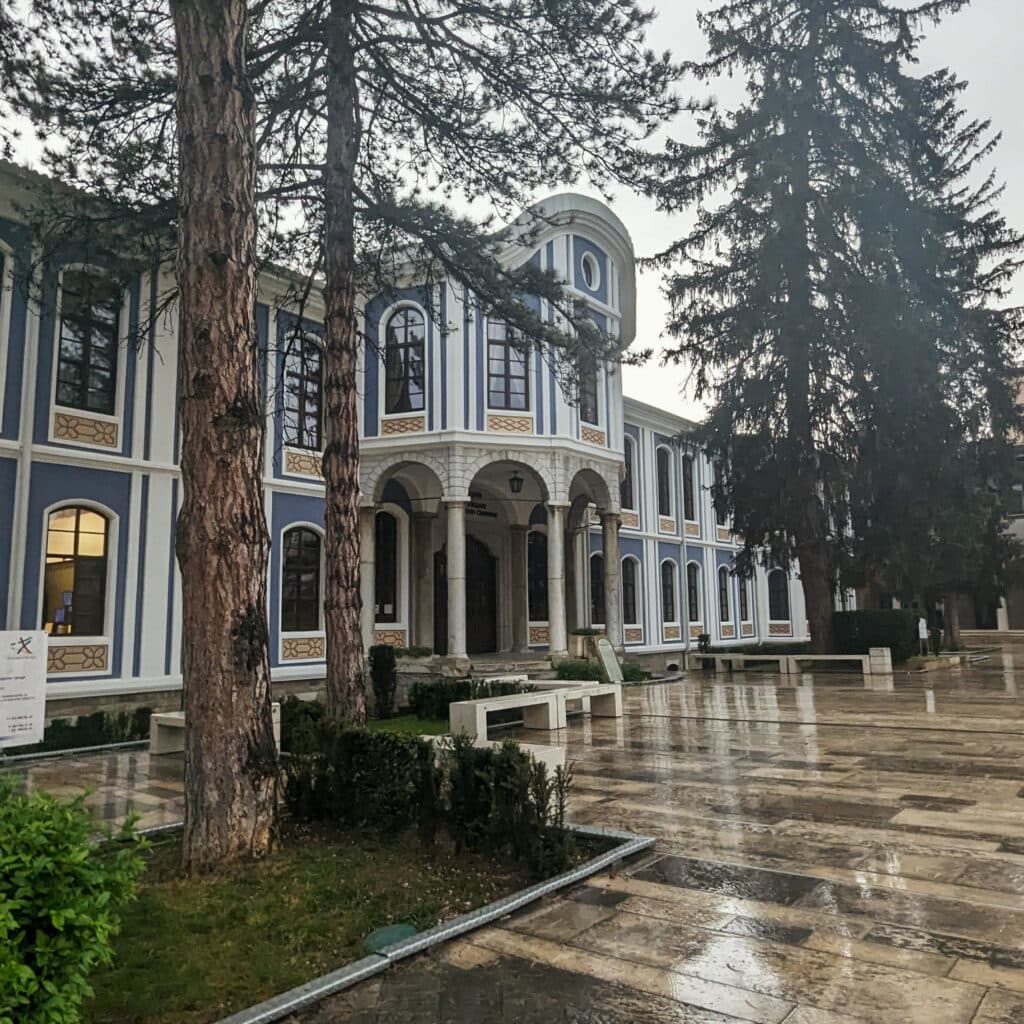
Dramatically set above a looping river, Veliko Tarnovo was once the capital of the Second Bulgarian Empire, and its historical importance is immediately apparent. The old town tumbles down steep hillsides with layers of terracotta roofs and wooden houses, creating one of Bulgaria’s most striking cityscapes.
Veliko Tarnovo is a place to wander, camera in hand. Narrow lanes wind past artisan workshops, small shops and cafés, with viewpoints opening up, between the buildings. Keep an eye out for the bas-relief murals on the sides of some buildings, a sculptural technique that adds depth and texture rather than flat paint.
Rising above the old town is Tsarevets Fortress, with multiple viewpoints overlooking the city. Within its walls sits the Patriarchal Cathedral of the Holy Ascension, whose interior is unexpectedly modern, featuring dramatic murals of Bulgarian battle scenes. It’s not the first time we’ve encountered ‘war art’ in Balkan churches. Ružica Church in the Belgrade fortress is particularly memorable. That’s decorated throughout with weapons!
Despite its rich history, Veliko Tarnovo feels lived-in rather than museum-like. We visited on the bus from Plovdiv, staying overnight on our way to the capital, Sofia. It’s also possible to visit as a day trip from Bucharest in neighbouring Romania.
3. Aveiro: Colourful coast and canals
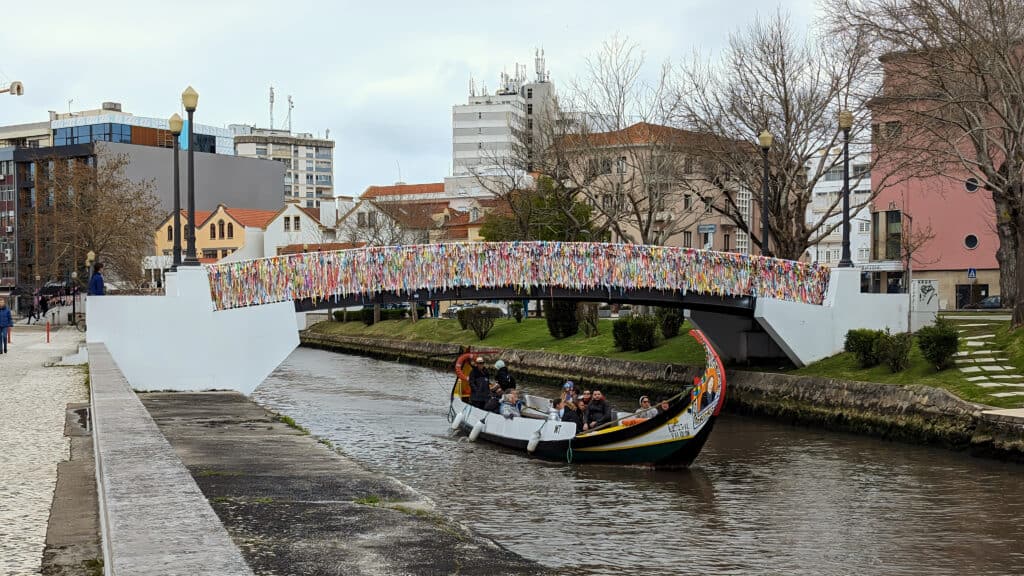
Located on Portugal’s west coast, Aveiro is often dismissed as a simple day trip from Porto, which does it a disservice. We visited en route from Lisbon to Porto and were glad we stayed overnight, giving us time to see more of this small coastal city.
Aveiro’s main claim to fame is its network of canals and brightly painted moliceiros. These former seaweed-gathering boats are now used as ferries and for tourist trips along the water. Their colourful, hand-decorated designs have earned Aveiro the nickname “the Venice of Portugal.” But the city is about more than pretty boats. There’s striking Art Nouveau architecture, salt flats on the edge of town, patterned walls and pavements, and some excellent local cuisine. One of the dishes to try is ovos moles (sweet egg yolk pastries), a little weird, but an Aveiro specialty.
Nearby Costa Nova, with its striped wooden houses and wide Atlantic beach, is an easy side trip. Compact and charming, Aveiro is a delightful place to stay.
4. Plovdiv: A city inhabited for millennia
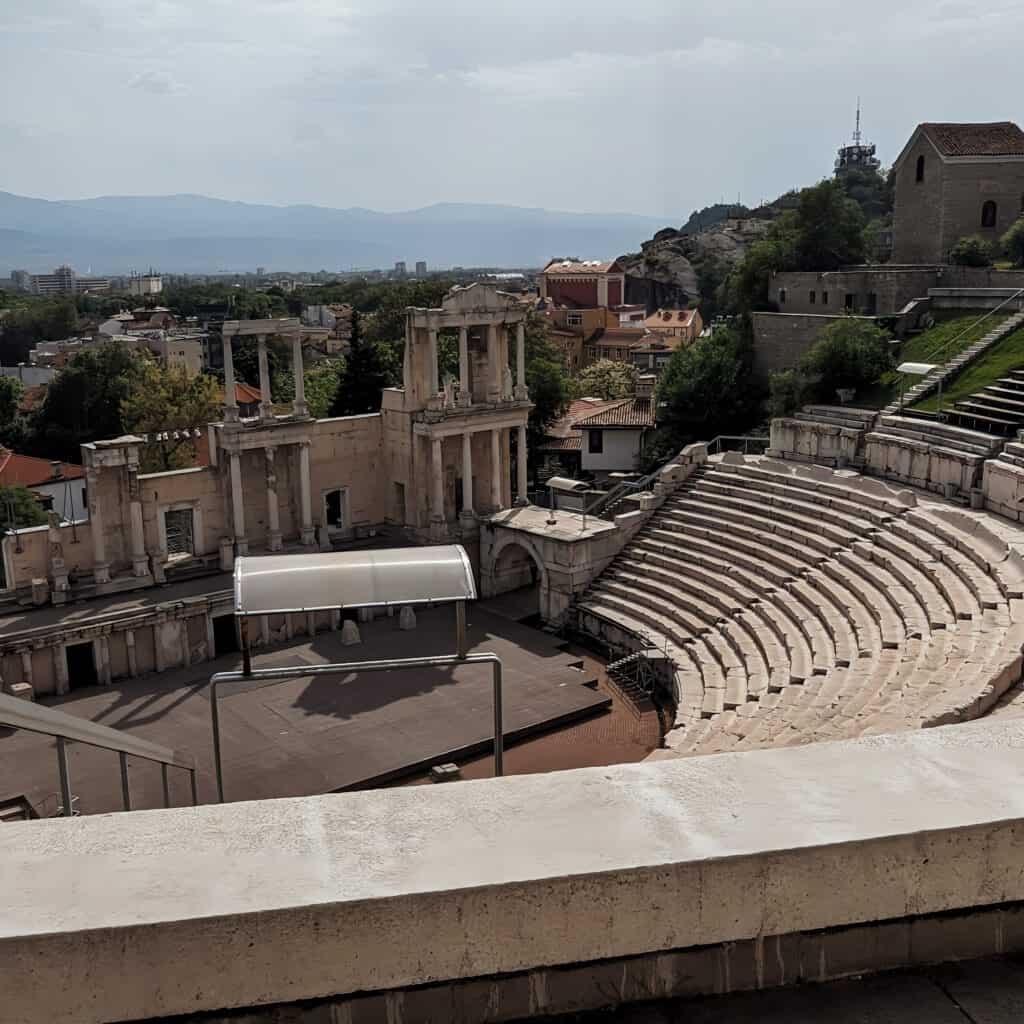
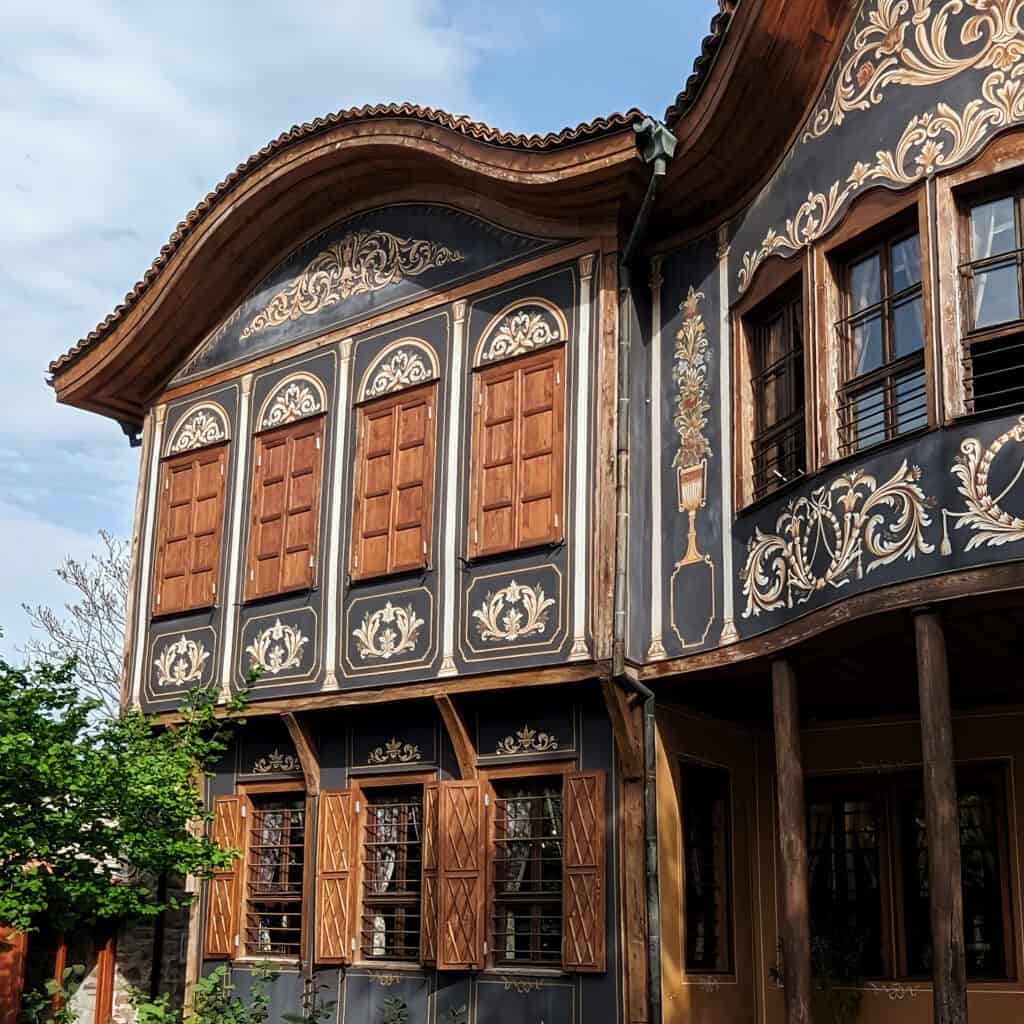
Plovdiv is Bulgaria’s second-largest city, lying east of Sofia and west of the Black Sea, and it’s built on seven hills. Archaeological evidence shows human settlement as far back as 6000–4000 BCE. If you are interested in history, you will love Plovdiv.
The Old Town is especially atmospheric, with its Bulgarian Revival houses and well-preserved Roman remains, including a huge amphitheatre, right in the centre. It’s still used today for concerts and outdoor events. There are more ancient remains on the hillsides. Beyond the history, Plovdiv has a relaxed, creative side too. The Kapana district, with its street cafés, bars, and colourful murals, is a great place to soak up the city’s contemporary culture. It’s a university city, so expect a youthful vibe and plenty of bars and restaurants staying open later into the evening.
While Plovdiv is a popular day trip from Sofia, it deserves more than a few rushed hours. If you can, stay overnight and experience the city after the day-trippers have gone home, that’s when it really comes into its own.
5. Nantes: A city shaped by invention
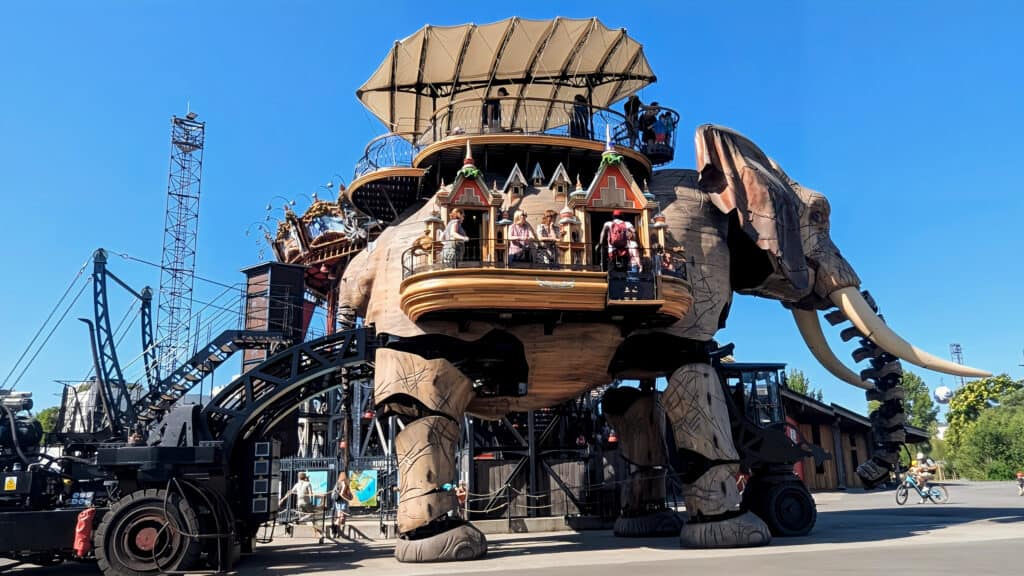
Nantes is in the Loire region of France. It’s about four hours southwest of Paris. It’s one of France’s most creative cities. Once a major port, it has reinvented itself through bold cultural projects, most famously the mechanical creatures of Les Machines de l’Île. No trip to Nantes would be complete without saying hi to L’Éléphant, and yes, you can ride him too, as I did. There’s also the carousel with layers of mythical creatures and more demonstrations inside of yet more extraordinary machines. If, like me, you fall completely in love with these mechanical marvels, I’d also recommend Toulouse, where you can meet their extended family and continue your trip into this Jules Verne-inspired fantasy world.
And there’s more. Back in reality, Nantes offers elegant architecture, generous green spaces, and a relaxed riverside atmosphere. It’s a refined city with a royal palace, the Château des Ducs de Bretagne, a striking cathedral, and excellent food, wine, and shopping. It’s definitely a place worthy of more than a quick visit.
If you’re enjoying this kind of travel writing, I share more like it once a month.
6. Iași: Romania’s cultural second city
Often overshadowed by Bucharest, Iași is a deeply cultural city with a strong intellectual tradition. Grand Orthodox churches, leafy parks, and elegant 19th-century buildings hint at its former importance, while a large student population keeps the atmosphere lively. It’s less glossy than Romania’s Transylvanian cities, but that’s part of the appeal. Iași feels real, affordable, and refreshingly untouristed.
We visited Iași on our way to Chișinău, the capital of Moldova, without really knowing what to expect. And it turned out to be one of our favourite stops of the trip.
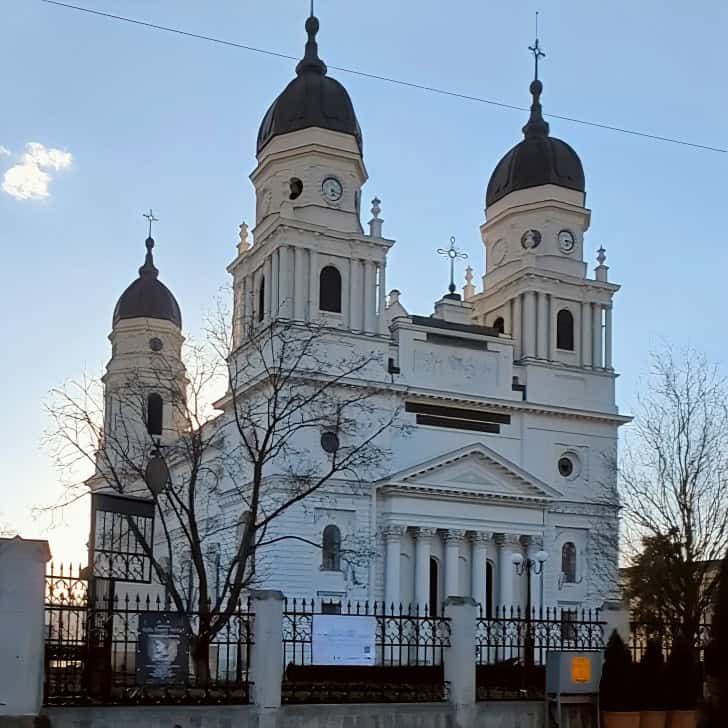
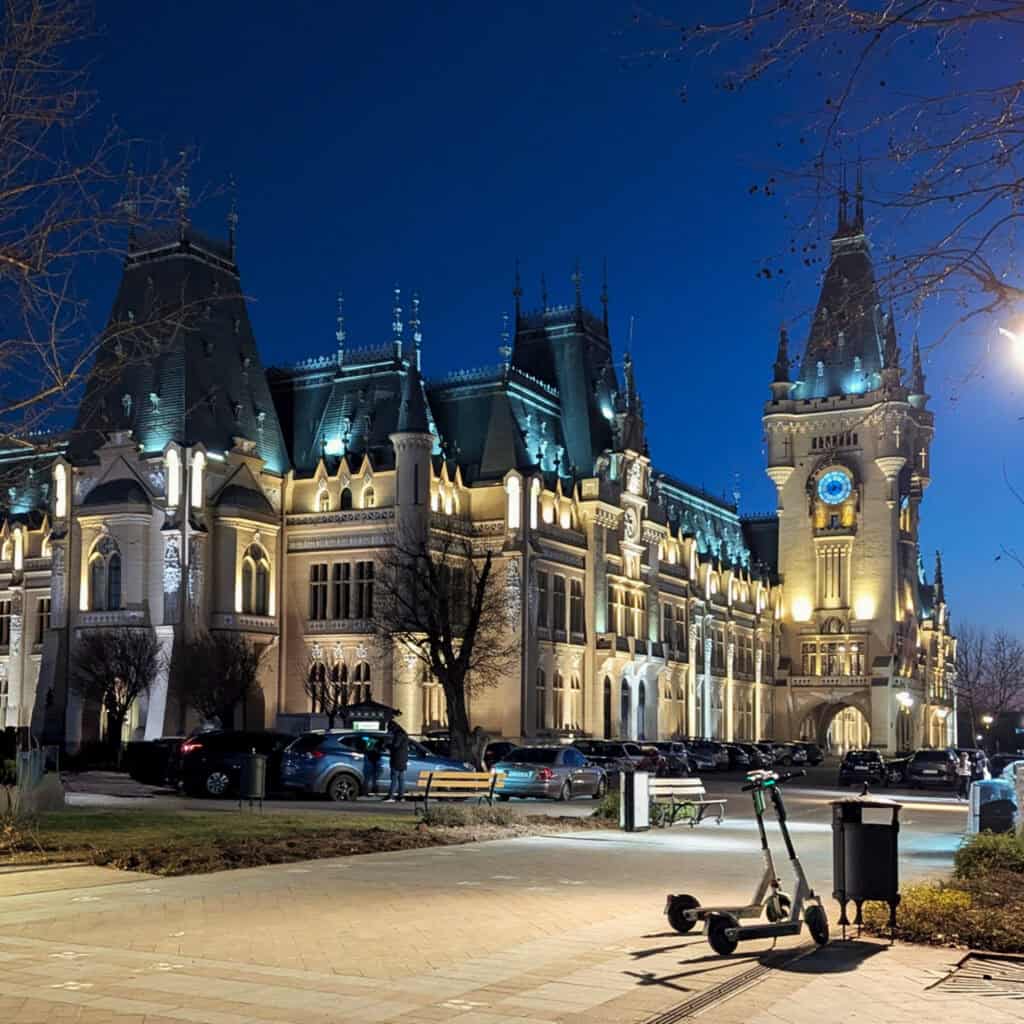
I have a full guide for Iasi:
➡️ Best Things to Do in Iași: Discover Romania’s Cultural Gem
7. San Marino: The world’s oldest surviving sovereign state
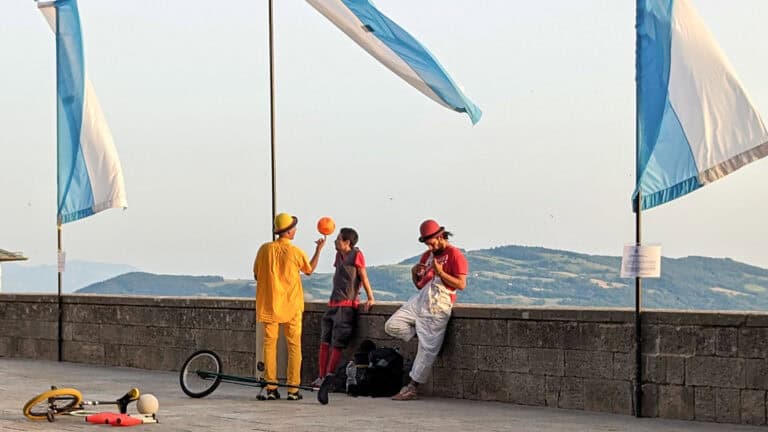
Perched high above the surrounding Italian countryside, the city and micro-nation of San Marino feels far more dramatic than its tiny size suggests. Medieval towers crown Mount Titano, offering sweeping views of the Adriatic coast. This walled hilltop city is another UNESCO World Heritage Site, and it’s remarkably easy to reach. It’s just a short bus ride inland from the seaside resort of Rimini.
San Marino is full of quirky museums; you’ll find one on medieval torture and another dedicated to vampires and werewolves, but one of the highlights is far simpler. A scenic path links the three towers along the ridge, creating one of the best photo walks in this incredibly photogenic mini-country. It’s easy to while away a few hours wandering the cobbled streets, taking photos, and enjoying local wine and cuisine, but I’d encourage you to visit at sunset. Staying overnight transforms the experience: evenings are fun, atmospheric, and unexpectedly romantic. San Marino isn’t just a box-ticking microstate; it’s a genuinely rewarding place in its own right.
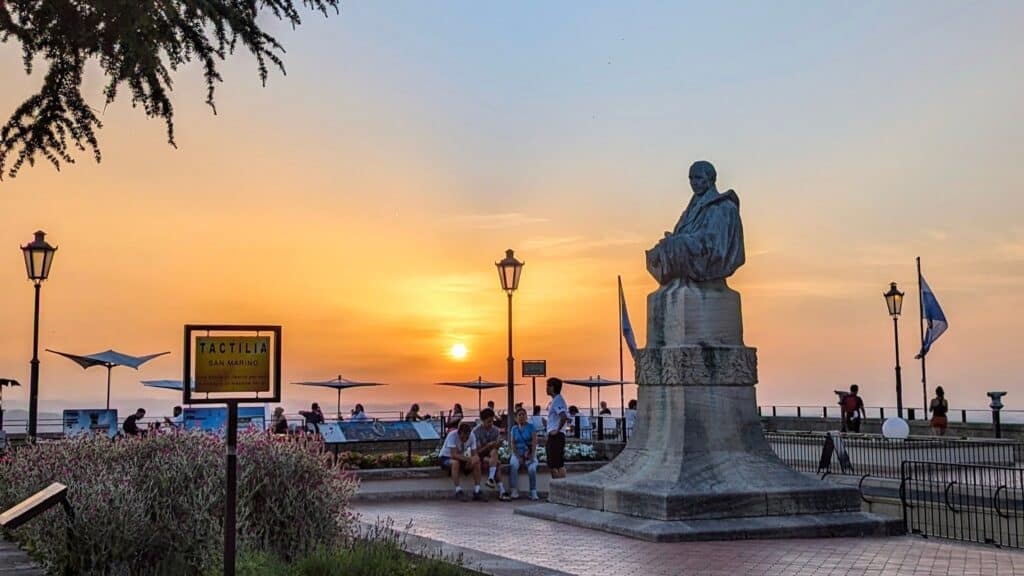
Here’s my dedicated guide on things to do in San Marino:
➡️ Best Things to Do in San Marino (and Why You’ll Want to Stay for Sunset)
8. Gjirokastër: Albania’s “Stone City”
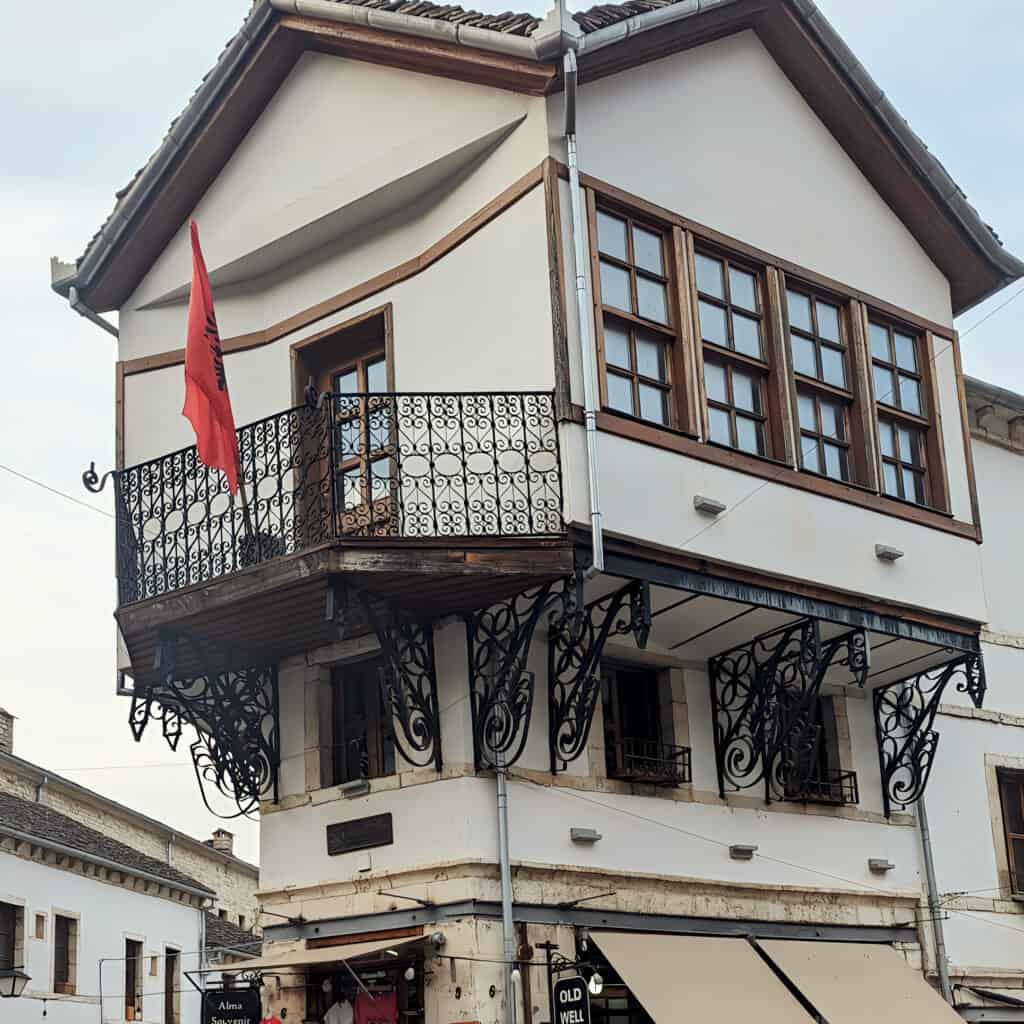
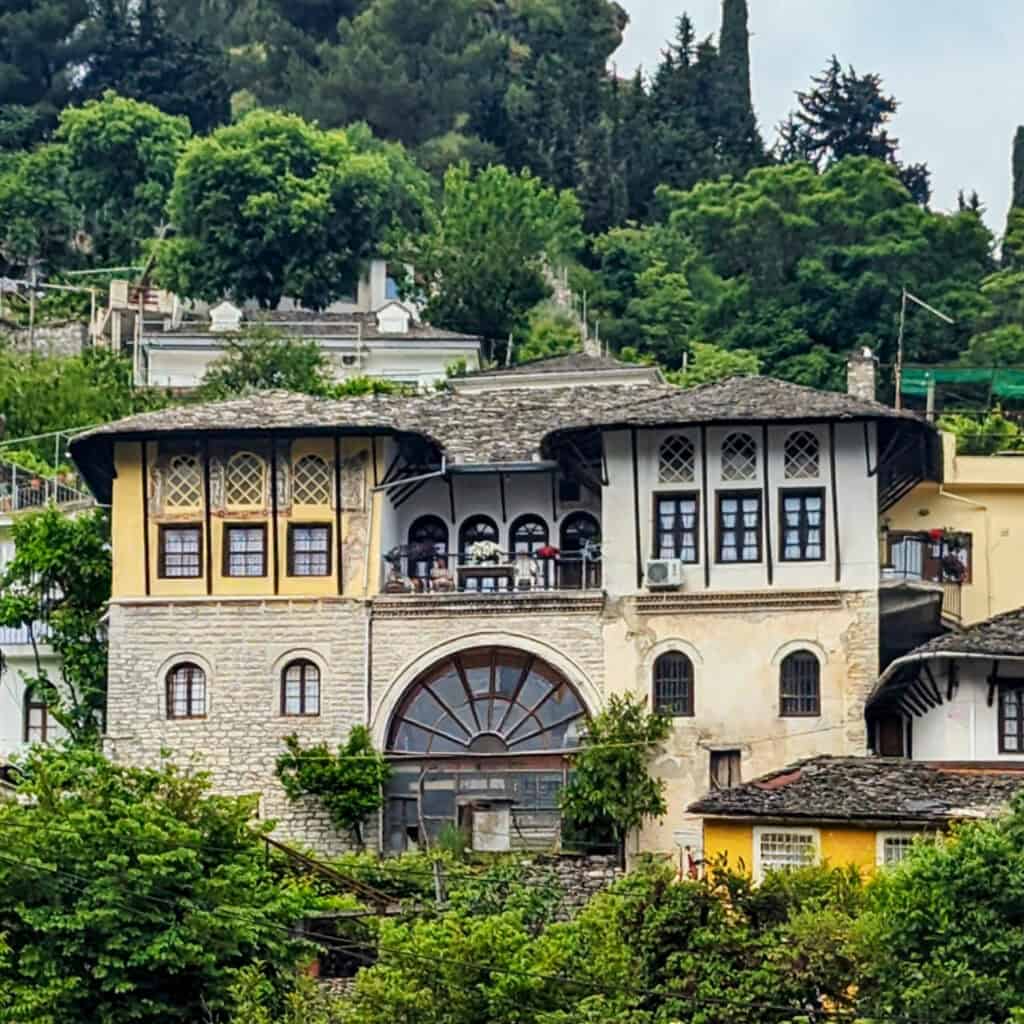
Gjirokastër is one of those places where you feel like you’re stepping into another world, and yet another UNESCO World Heritage Site on my list. It’s recognized for its remarkably well-preserved Ottoman-era architecture. The old town and bazaar area is packed with characterful shops, restaurants, and bars. It’s a part of the city you’ll want to spend time in.
Known as the “City of Stone,” Gjirokastër’s slate-roofed houses cling to the hillside beneath a vast fortress, with sweeping views across the Drino Valley. There’s a substantial museum inside the fortress, but for me the real highlights were the fortified houses, especially Zekate House. Gjirokastër is striking and distinctive, but it’s also steep, so good shoes are essential. I was so glad we just had small bags as we stayed up on the hill, beyond the point where a taxi could have dropped us.
We visited Gjirokastër as part of a wider bus loop around Albania, starting and ending in the capital, Tirana.
9. The hanging monasteries of Meteora
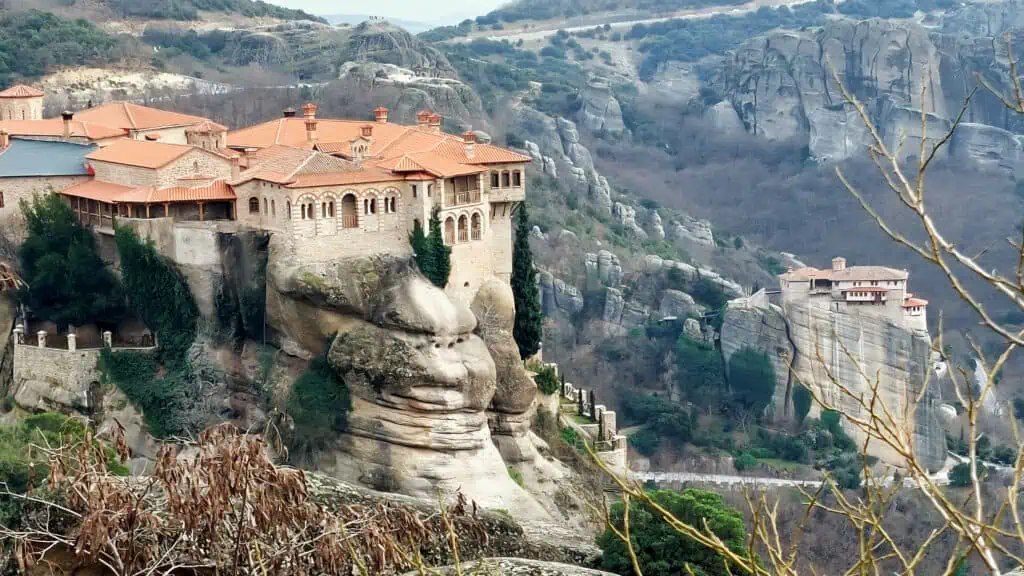
Meteora is quite extraordinary. Monasteries balance atop towering rock pillars, seemingly suspended between earth and sky. Still active and deeply spiritual, these are not just scenic viewpoints but living religious sites. While day trips from Athens or Thessaloniki are common, staying nearby in Kalabaka or Kastraki is a great option. It means you can experience Meteora early or late in the day, when the tour buses have gone, and the light is at its best for photography.
There are six monasteries still open. There were many more. And stepping inside is just as astonishing as seeing them from afar. Beyond their ornate interiors, it’s the sheer logistics of how they were built, and how life was sustained at such heights. That really stays with you. Meteora is one of those rare places that genuinely feels like nowhere else. For me, it’s one of the most jaw-dropping sights in Europe. I’d rate it alongside Cappadocia.
We visited as part of a longer trip covering Thessaloniki and Athens.
10, Cricova: Moldova’s vast underground wine city
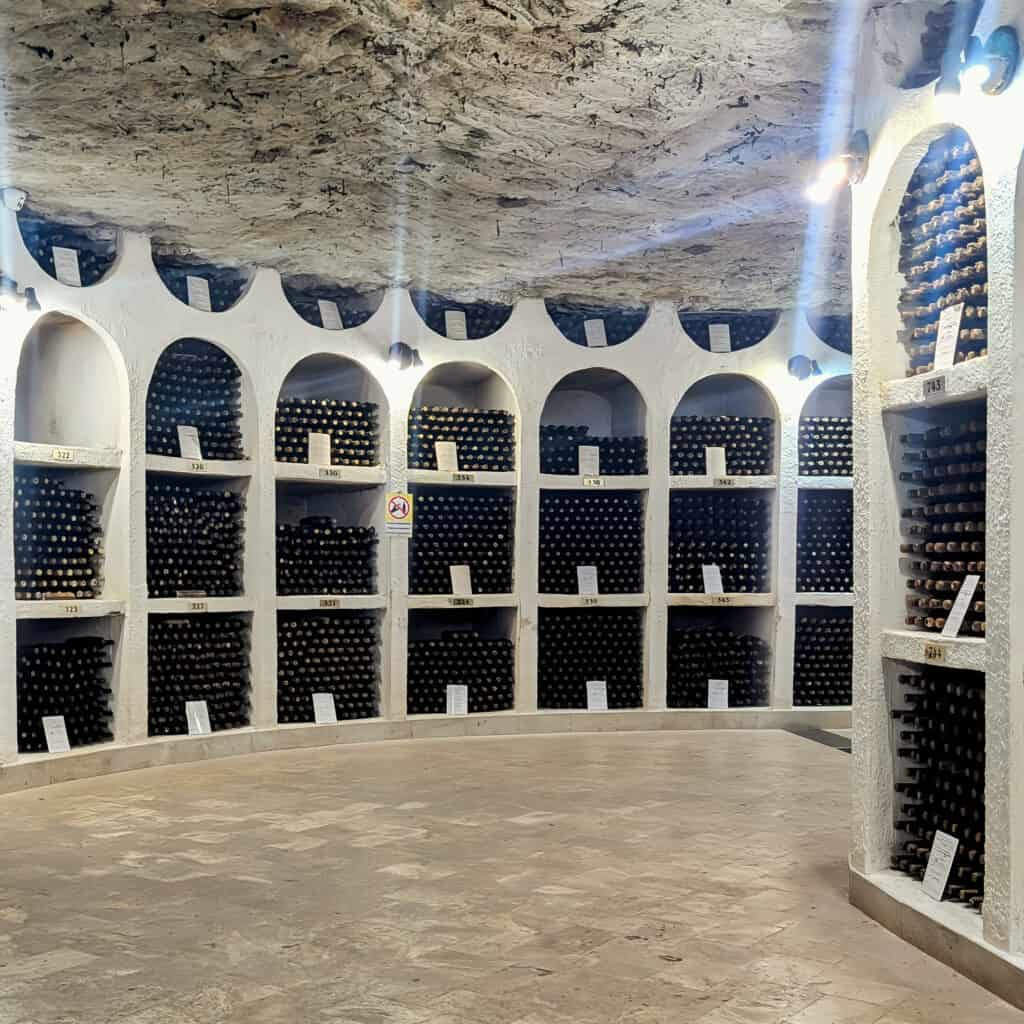
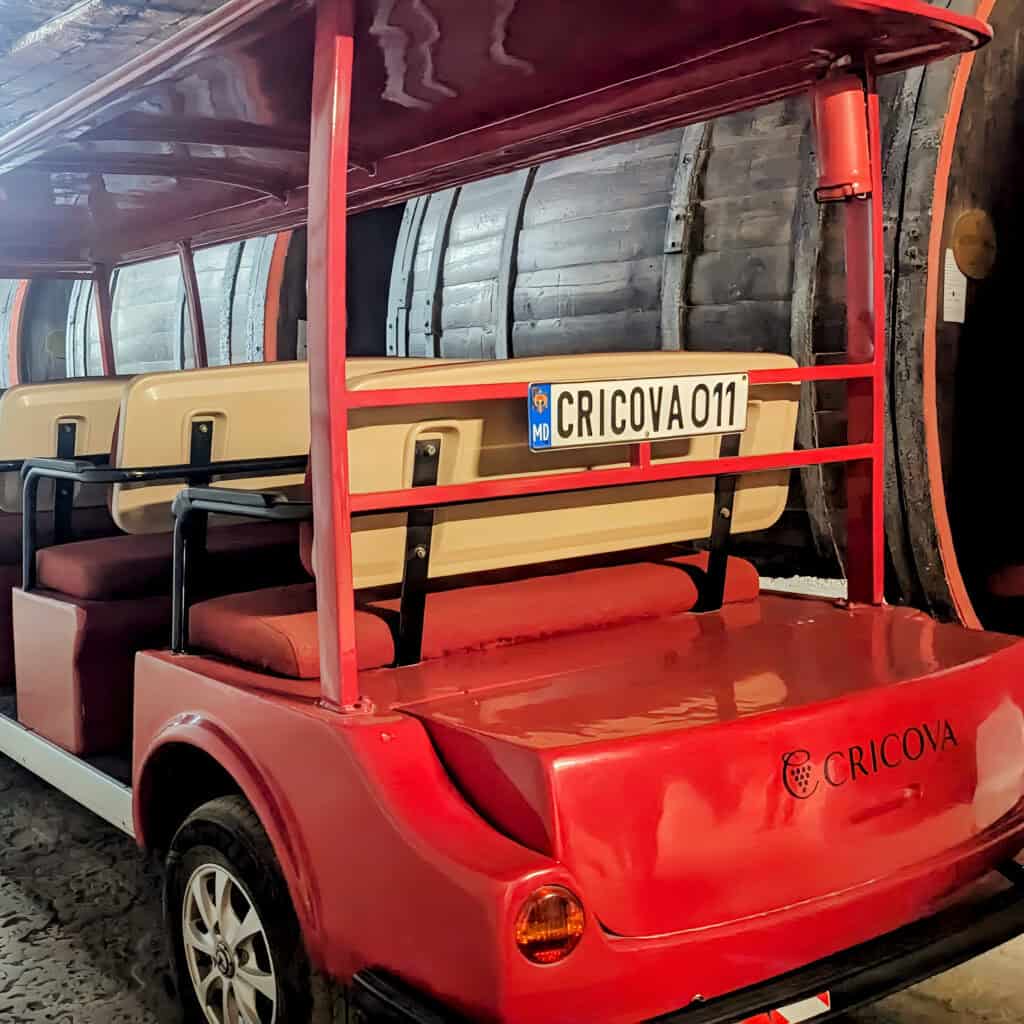
Just outside Chișinău, Cricova hides an entire city underground, not of people, but of wine. Miles of tunnels house vast cellars, private collections, and tasting rooms, navigated by electric vehicles rather than on foot, with streets named after grape varieties. There’s something faintly comedic about the whole experience. The tourist “trains” shoot through the barrel and bottle-lined tunnels at speed – you’ll want to hold on.
Cricova is also wrapped in legend, with stories of visitors (including astronauts, apparently) getting lost among the cellars for days. The visit ends, as it should, with a wine tasting, which was relaxed, fun, and an opportunity to chat with the rest of our International tour group. Moldova’s wine culture is deep-rooted and under-appreciated. While Cricova offers a bold and accessible introduction, other wineries such as Castel Mimi showcase a more refined, elegant side. This visit was a reminder that some of Europe’s most interesting experiences happen where we least expect them and well away from the usual visitor hotspots.
We visited on a day tour from Chișinău. In the morning, we visited Old Orhei. The wine tour was in the afternoon.
So if you’ve made it this far and want more on these places, here you go. And there’s more to come.
- 15 Best Things to Do in Sighisoara: Dracula’s Birthplace in Transylvania
- Best things to do in Iasi: Discover Romania’s cultural gem
- Best things to do in San Marino (and why you’ll want to stay for sunset)
- Visit Meteora: An unforgettable trip to Greece’s cliff-top monasteries
- Plan Your Moldova Wine Tour
Do you have any suggestions for places I have missed or should visit in Europe? I’d love to know in the comments.