Monaco | Travel Information
Tucked between France and Italy, Monaco is a wonderful stop on an overland journey along the French Riviera and beyond, continuing onto the Italian Ligurian coast and the port city of Genoa.
Monaco is a sovereign city-state and microstate, renowned as a tax-free, ultra-luxurious playground for the wealthy. It’s a European microstate, the second smallest country in the world, and it’s densely packed with high-end casinos and superyachts. It’s also the home of the iconic Formula One Grand Prix street circuit. Many people visit for the day, and it’s true you can cover the main areas of Monaco in a day, but if you can stay over, I’d recommend it.
Here are some useful things to know about Monaco, to help you plan your visit.
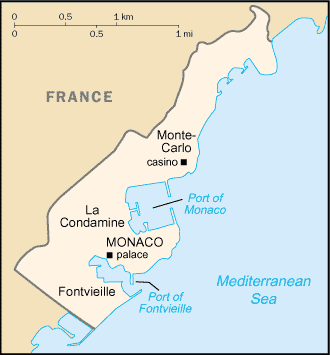
- Capital: Monaco
- Language: French is the official language. English is widely spoken, too.
- Currency: Euro (€). Monaco is not an EU member but uses the euro as its official currency.
- Visas: While Monaco is not officially part of the Schengen area, it is treated as part of France for immigration purposes. UK, EU & US citizens do not need a visa for short stays.
- Electricity & Adapters: Standard European plug types (C/F) at 230V; no adapter needed for most European devices.
- Transport Links: Access via France or Italy by bus, car, or train. There is no airport. There are some seasonal tourist ferries along the French Riviera from Nice and Mandelieu, or you could arrive by (super)yacht if you have one.
- Best time to visit: Monaco is a year-round destination. The peak season is in May for the Grand Prix, through to August when the weather is hot. Ideal for beach weather, but it is crowded. There are fewer tourists from September through to May.
I’ve written about things I found to do in Monaco during a short break in this unique European microstate.
